Building a Profitable Farm in Stardew Valley
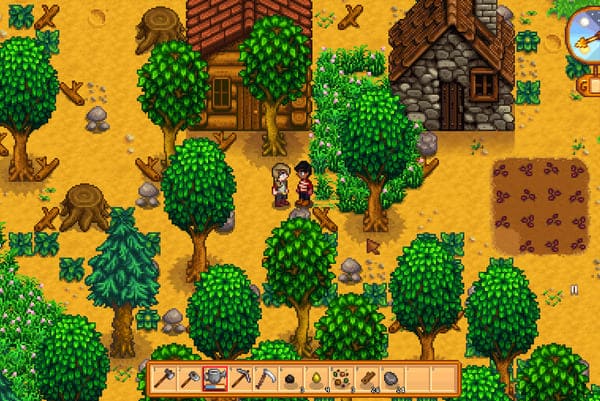
Building a profitable farm in Stardew Valley is not simply about planting more crops. Players must balance money, Energy, time, seasonal changes, mining, and upgrades.
The key is to start small, reinvest profits, automate repetitive work, and gradually move from selling raw crops to producing valuable Artisan Goods.
Start with a Small Farm
During the first Spring, clear only enough land for crops and basic movement. Plant the starting Parsnips and expand gradually.
Avoid planting too many crops because watering a large field consumes valuable Energy and time.
Early Priorities
• Plant manageable fields
• Gather wood and stone
• Build storage
• Save Energy
• Reinvest profits
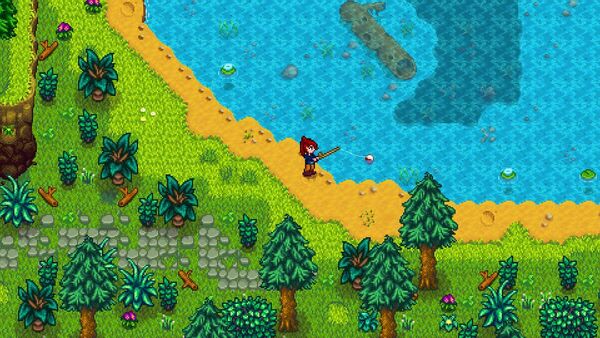
Use Fishing for Early Money
Crops require several days to grow, so fishing is useful for generating immediate income.
Use fishing profits to purchase more seeds and important upgrades instead of spending heavily on unnecessary items.
Reinvest Your Money
Early money should help increase future production. Seeds, storage, and backpack upgrades are particularly useful.
Choose Crops Carefully
Do not judge crops only by their selling price. Consider seed cost, growth time, harvest frequency, and how many days remain in the season.
Crops that produce several harvests can be especially useful because they do not require constant replanting.
Check Before Planting
Always make sure a crop has enough time to mature before the season ends.
Explore the Mines
Mining provides Copper, Iron, Gold, and other resources required for tools, sprinklers, and machines.
Bring food and leave enough inventory space before entering the Mines. Focus on collecting ore while progressing toward deeper floors.
Upgrade Tools Strategically
Upgrade tools when they will cause minimal disruption to farming, particularly the Watering Can.
Prepare for the Next Season
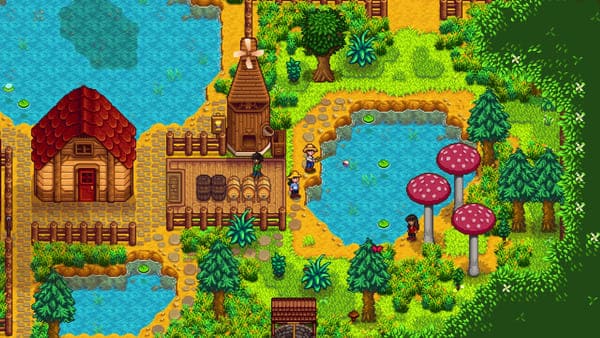
Do not wait until a season ends before planning the next one. Save money so you can purchase seeds immediately when a new season begins.
Preparing soil and organizing the farm also allows faster planting.
Start Each Season Quickly
Earlier planting can provide additional harvests and significantly improve seasonal profits.
Invest in Sprinklers
Manual watering limits how large your farm can become. Sprinklers automate this task and free valuable time every morning.
Once watering is automated, you can spend more time mining, fishing, exploring, or expanding production.
Why Sprinklers Matter
• Save Energy
• Save time
• Support larger fields
• Increase daily productivity
Plan for the Community Center
Do not immediately sell every crop, fish, mineral, or forage item. Some may be required for Community Center bundles.
Keep useful seasonal items in organized storage so you do not have to wait an entire year to obtain them again.
Organize Storage
Separate crops, fish, minerals, forage, and crafting materials into different chests.
Process Crops for More Profit
Selling raw crops provides quick income, but processing can significantly increase their value.
As resources become available, build machines and begin converting valuable crops into Artisan Goods.
Basic Production Cycle
Grow crops → Harvest → Process → Sell → Reinvest
This creates a stronger economy than relying entirely on raw crop sales.
Add Animals
Animals provide products such as eggs and milk that can be sold or processed into higher-value goods.
However, buildings and animals require significant investment, so introduce them after establishing reliable crop income.
Focus on Artisan Goods
Processing eggs, milk, crops, and other ingredients can gradually become one of the farm's most valuable income sources.
Automate the Farm
A developed farm should reduce repetitive manual work. Sprinklers handle watering, upgraded tools speed up tasks, and machines increase product value.
Arrange crops, storage, animal buildings, and machines efficiently to reduce unnecessary movement.
Build a Production System
• Grow ingredients
• Automate watering
• Raise animals
• Process valuable products
• Sell Artisan Goods
• Reinvest profits
Conclusion
A profitable Stardew Valley farm develops gradually. Start with manageable crop fields, use fishing for early income, explore the Mines, and prepare carefully for each season.
Next, invest in sprinklers and processing machines. As income increases, introduce animals and focus more heavily on Artisan Goods.
The goal is not simply to create the largest farm. A successful farm combines crops, automation, animals, processing, and careful planning into an efficient production system.