







Alchemy Factory is a management and crafting simulation game that appears simple on the surface but gradually reveals a surprisingly deep progression system. Players are tasked with running an alchemy workshop, producing potions, managing raw materials, upgrading machinery, and optimizing workflows to maximize efficiency and profit. While the game is relaxing in tone, poor planning can significantly slow progress.
This guide is designed to help players understand Alchemy Factory from the ground up. Whether you are just starting or already managing a growing production line, these tips and guides will help you avoid common mistakes, optimize your factory, and build a stable, scalable alchemy business over time.
1. Understanding the Core Gameplay Loop
The production cycle explained
At its heart, Alchemy Factory revolves around a repeating cycle: gather ingredients, process them into potions, sell the final products, and reinvest the profits. Every system in the game supports or modifies this loop, so understanding it early is essential.
Why efficiency matters from the start
Small inefficiencies compound quickly. Producing the wrong potion, overstocking ingredients, or upgrading the wrong machine can waste time and resources. Early awareness of the core loop allows you to scale smoothly instead of constantly correcting mistakes.

2. Early-Game Priorities for New Players
Focus on stability, not speed
In the early stages, players often rush to unlock new recipes or machines. However, maintaining a stable income stream is more important than rapid expansion. Consistent production prevents downtime and resource shortages.
Recommended early objectives
- Unlock basic potion recipes with reliable demand
- Upgrade storage capacity before production speed
- Avoid spreading resources across too many product types
Taking a conservative approach early will pay off significantly in the mid-game.
3. Ingredient Management and Resource Flow
Understanding ingredient tiers
Not all ingredients are equal. Some are common and easily replenished, while others are rare and time-gated. Learning which ingredients are sustainable helps prevent bottlenecks.
Best practices for resource balance
Always track input versus output. If an ingredient is consumed faster than it is produced or purchased, your entire factory can stall.
Key tips:
- Maintain a buffer stock for critical ingredients
- Prioritize renewable resources early
- Delay rare ingredient usage until demand justifies it
4. Potion Recipes and Profit Optimization
Choosing high-value recipes
Not every potion is worth producing continuously. Some have low profit margins or require excessive processing time. Focus on recipes that offer the best balance between cost, production time, and selling price.
Scaling production wisely
Instead of producing many different potions at low volume, concentrate on a few profitable recipes and scale them gradually. This simplifies management and maximizes efficiency.
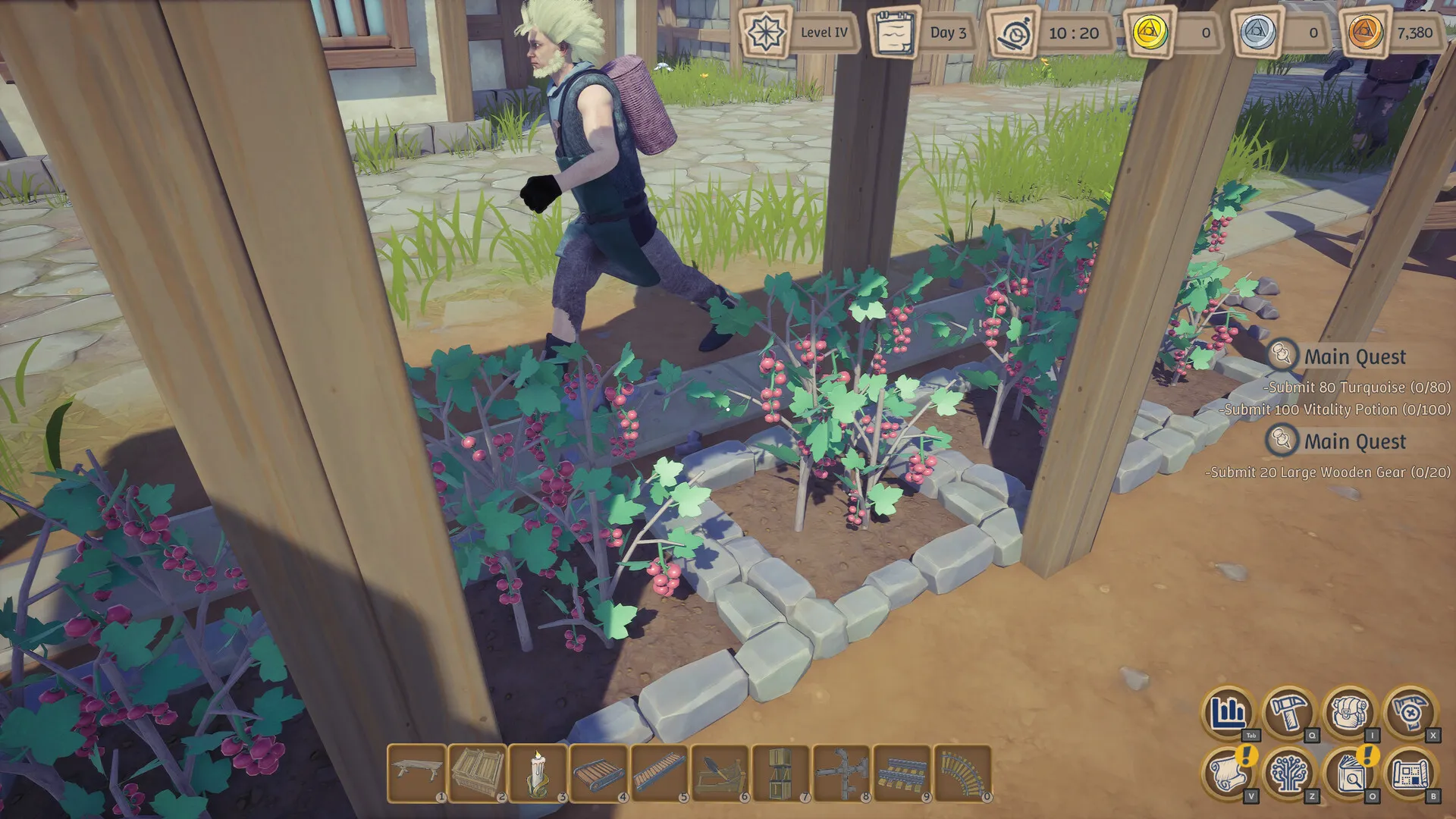
5. Factory Layout and Workflow Optimization
Why layout matters
Machine placement directly affects productivity. Poor layouts cause delays, idle machines, and wasted time transporting ingredients between stations.
Layout optimization tips
- Group machines by production stage
- Minimize distance between dependent processes
- Leave room for future expansion
A clean, modular layout saves time in both production and upgrades.
6. Upgrade Strategy and Investment Planning
Prioritizing upgrades
Upgrades are expensive and should be chosen carefully. Early players often upgrade speed too quickly, neglecting storage or automation.
Smart upgrade order
Recommended priority:
- Storage capacity
- Production consistency
- Automation features
- Speed enhancements
This order ensures that increased output does not overwhelm your logistics.
7. Automation and Idle Progression
Leveraging automation systems
Automation is one of the most powerful tools in Alchemy Factory. Once unlocked, it allows your factory to continue operating with minimal player input.
Avoiding automation pitfalls
Automation without planning can create waste. Ensure your automated systems are balanced and supported by sufficient ingredient supply.
Automation checklist:
- Stable ingredient inflow
- Adequate storage space
- Clear priority rules for machines
8. Mid-Game Scaling and Expansion
Recognizing the mid-game phase
The mid-game begins when basic production is stable and profits are consistent. At this stage, scaling becomes the main challenge.
Expansion strategies
Instead of expanding everything at once:
- Duplicate proven production lines
- Introduce one new recipe at a time
- Monitor performance before further expansion
Controlled growth prevents chaos and inefficiency.
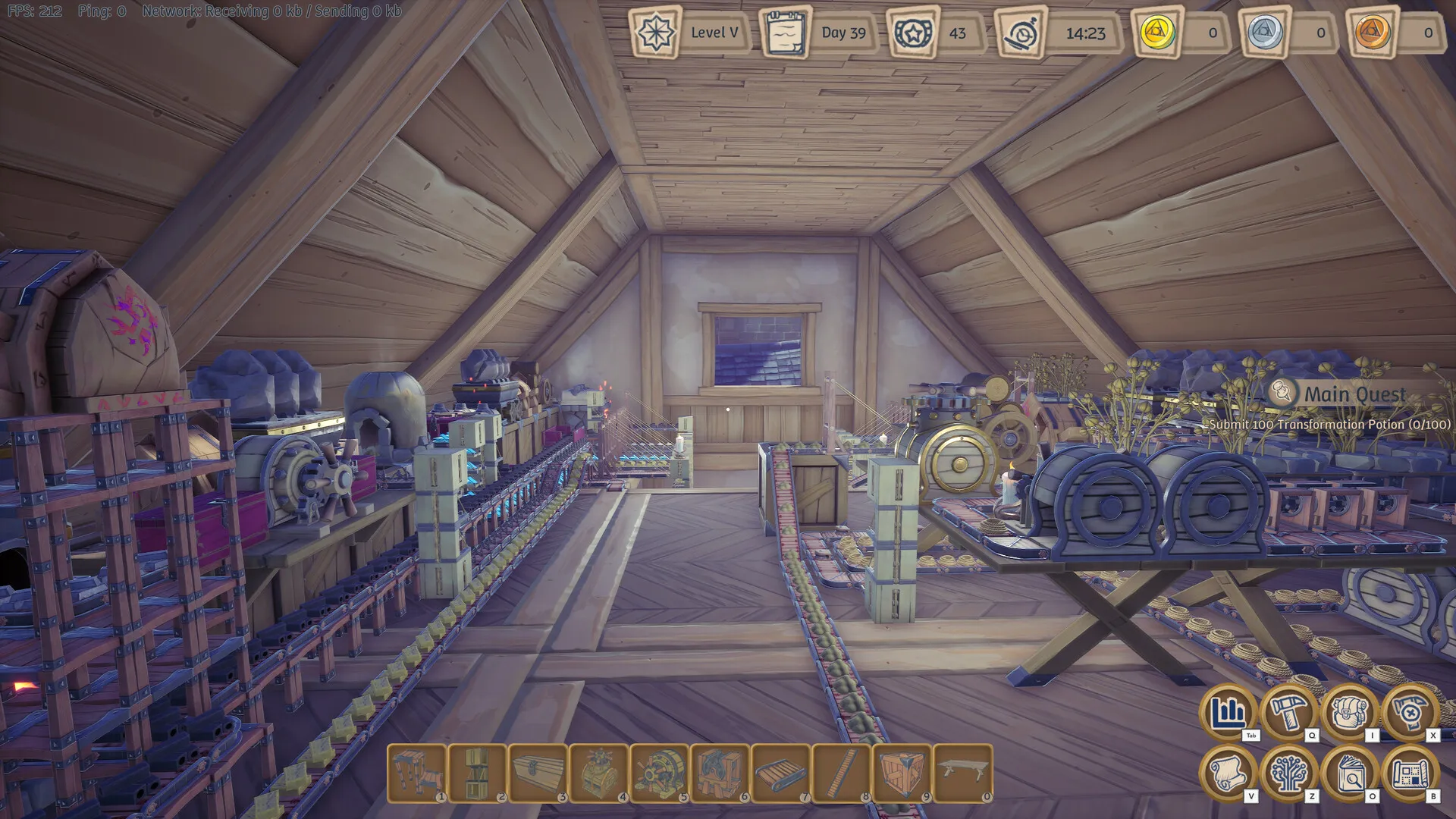
9. Common Mistakes and How to Avoid Them
Overproduction and waste
Producing more than the market demands leads to storage overflow and wasted resources. Always align production with sales capacity.
Ignoring downtime indicators
Idle machines or empty ingredient slots signal deeper problems. Regularly review factory logs and production stats.
Frequent mistakes include:
- Unlocking too many recipes at once
- Neglecting ingredient supply chains
- Over-investing in speed upgrades
10. Late-Game Optimization and Long-Term Strategy
Fine-tuning for maximum efficiency
In the late game, success depends on micro-optimizations. Small improvements in workflow, automation logic, and upgrade synergy can significantly increase output.
Sustainable long-term planning
Late-game players should focus on:
- Maximizing profit per minute
- Reducing manual intervention
- Preparing for content updates or new systems
At this stage, Alchemy Factory becomes a game of refinement rather than expansion.
Alchemy Factory rewards players who think ahead, plan carefully, and optimize gradually. While the game presents itself as a relaxed crafting experience, long-term success depends on understanding systems, managing resources efficiently, and making smart upgrade decisions. By following the tips and guides outlined in this article, players can avoid common pitfalls and build a powerful, sustainable alchemy operation.
Whether you are just starting your first workshop or refining a late-game production empire, the key to success in Alchemy Factory lies in balance, patience, and strategic thinking.