Cult of the Lamb Tips & Guides: How to Balance Combat, Faith, and Cult Management
Introduction
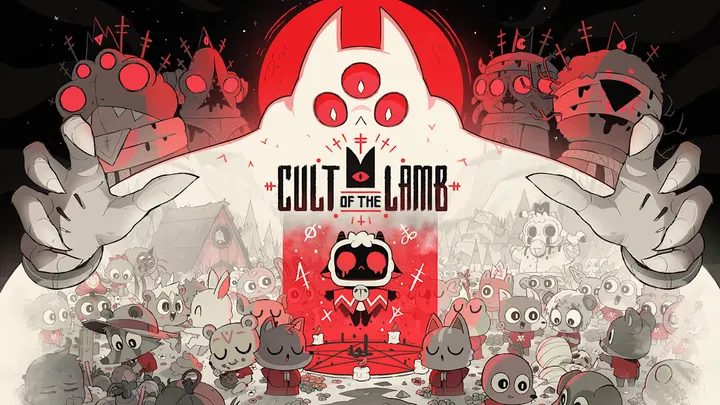
Cult of the Lamb combines fast-paced roguelike combat with deep cult management systems. At first glance, its cute art style hides how punishing poor decisions can be. Failing to manage followers, resources, or doctrines can sabotage even the strongest combat runs.
This guide focuses on helping players build a stable, loyal cult while maintaining combat effectiveness. Instead of surface-level advice, these tips explain how to balance dungeon progression, follower needs, and long-term growth so your cult thrives instead of collapsing.
Understanding the Dual Gameplay Loop
Cult of the Lamb forces players to alternate between dungeon crawling and base management. Success requires treating both halves as equally important.
Ignoring cult upkeep leads to dissent, starvation, and death, while neglecting combat progression stalls expansion. Efficient players plan dungeon runs around cult needs rather than playing each system in isolation.
Harmony between these loops is the foundation of consistent progress.
Early Game Priorities and Cult Stability
The early game is defined by fragile systems and limited forgiveness. New cults collapse quickly when food production or faith management is ignored.
Focus early on food structures, basic housing, and sermons that boost loyalty. Avoid expanding follower count too quickly, as upkeep scales faster than productivity.
Stability always beats growth in the opening hours.
Managing Faith and Preventing Dissent
Faith is the lifeblood of your cult. When faith drops, dissenters appear and productivity collapses.
Players must actively maintain faith through rituals, sermons, and follower care. Address dissent immediately rather than letting it spread.
Short-term sacrifices often prevent long-term disasters.
Dungeon Combat Fundamentals
Combat in Cult of the Lamb emphasizes movement, timing, and situational awareness. Button-mashing is punished quickly as enemies scale in aggression.
Understanding enemy attack patterns and prioritizing threats reduces incoming damage. Positioning matters more than raw damage output.
Smart players survive longer by controlling space rather than rushing kills.
Weapon Types and Curse Synergy
Each weapon category offers a distinct playstyle. Some reward aggression, others encourage spacing and patience.
Successful runs often revolve around pairing weapons with curses that complement their strengths. Randomness can be mitigated by adapting playstyle rather than forcing familiarity.
Flexibility is a core survival skill.
Resource Management and Base Efficiency
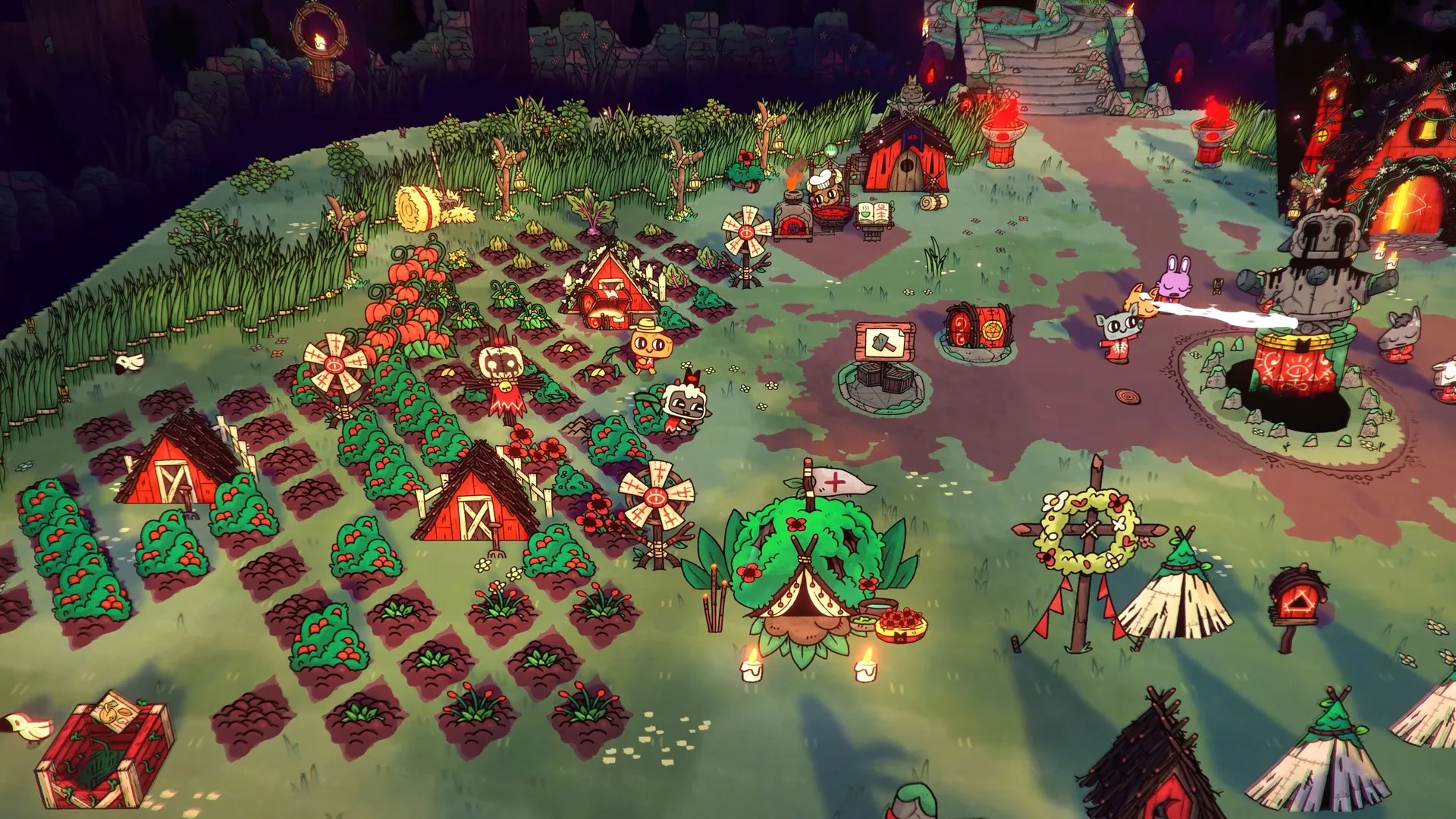
Resources fuel every aspect of cult growth. Wasting materials early delays crucial upgrades later.
Build only what your cult can support. Excessive structures increase workload and maintenance without immediate benefit.
Efficient layouts reduce micromanagement and follower stress.
Rituals, Doctrines, and Long-Term Impact
Doctrines permanently shape your cult. Poor early choices create ongoing problems that are difficult to reverse.
Choose doctrines that align with your playstyle, whether that emphasizes sacrifice, sustainability, or obedience.
Long-term planning outweighs short-term gains.
Boss Encounters and Area Progression
Boss fights serve as skill checks that combine combat mastery and preparation.
Players who rush bosses without upgrading weapons, curses, or health often fail repeatedly. Preparation before entering crusades dramatically increases success.
Bosses punish impatience more than weakness.
Late Game Optimization and Expansion
As the cult grows, complexity increases. Late-game success depends on automation, delegation, and morale control.
Prioritize systems that reduce manual intervention, allowing more time for crusades and upgrades.
A well-optimized cult practically runs itself.
Learning From Failure and Improving Runs
Mistakes are part of Cult of the Lamb’s learning curve. Each failure highlights weaknesses in planning or execution.
Review what caused collapse — hunger, faith loss, poor combat — and adjust future runs accordingly.
Adaptation is the key to mastery.
Conclusion
Cult of the Lamb thrives on balance. Players who respect both its management and combat systems find a deeply rewarding experience beneath its charming exterior.
By maintaining faith, optimizing resources, and mastering combat fundamentals, players can build a cult that survives every challenge. True power comes from preparation, not cruelty.
160-Character Summary
A complete Cult of the Lamb guide covering combat, cult management, faith control, rituals, and long-term strategy for consistent success.