Geometry Dash: How Precision, Music, and Persistence Create a Legendary Game
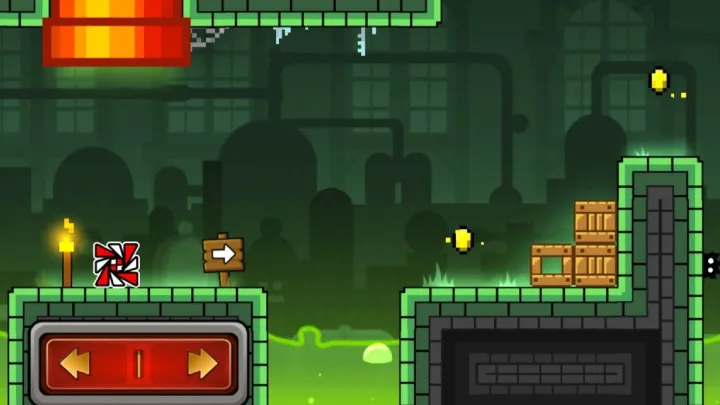
Geometry Dash is a rhythm-based platform game that proves complexity is not required to create depth. With only one main control, the game challenges players to master timing, focus, and consistency. Over the years, Geometry Dash has grown into a cult classic thanks to its unforgiving difficulty, creative editor, and dedicated community. This article explores the game from a skill-development and design perspective, explaining why it remains relevant today.
1. First Impressions: Simplicity That Hides Difficulty
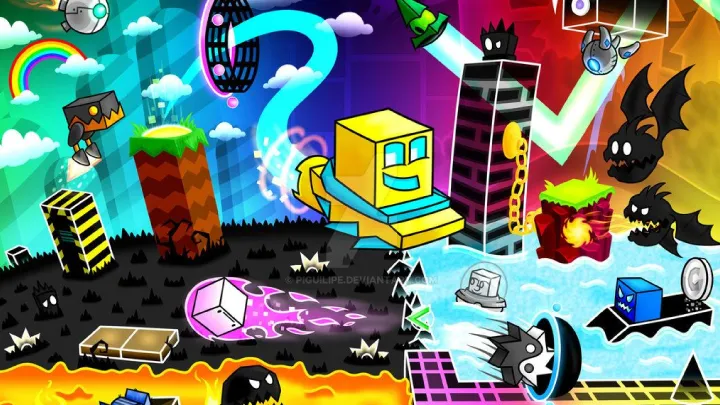
At first glance, Geometry Dash looks simple. Bright colors, geometric shapes, and smooth music create an inviting atmosphere. Players control a small square that jumps automatically with a single tap.
However, this simplicity is deceptive. Within seconds, players realize that precision is everything, and even small mistakes lead to failure.
Minimal Controls
One input controls all actions.
Why This Works
Less control means more focus on timing.
2. The Importance of Timing and Muscle Memory
Unlike many platformers, Geometry Dash relies heavily on rhythm and repetition. Players must synchronize their actions perfectly with the music.
Over time, muscle memory replaces conscious thought, allowing players to react instinctively rather than logically.
Skill Development
- Repetition
- Pattern recognition
- Rhythm awareness
Learning Curve
Progress is slow but rewarding.
3. Visual Clarity and Game Readability
Despite intense visuals, Geometry Dash maintains clarity. Obstacles are clearly shaped, and player movement is predictable.
This design ensures that failure feels fair and encourages players to improve rather than quit.
Design Principles
- Clear hitboxes
- High contrast colors
- Predictable physics
Fair Difficulty
Mistakes feel deserved.
4. The Role of Music in Player Performance
Music is not just background sound in Geometry Dash. It actively guides gameplay by signaling jumps, speed changes, and transitions.
Many experienced players rely more on sound than visuals to succeed.
Music Functions
- Timing cues
- Emotional pacing
- Memory reinforcement
Playing With Sound
Music improves consistency.

5. Practice Mode: The Key to Mastery
Practice Mode allows players to place checkpoints and focus on difficult sections. This feature transforms frustration into structured learning.
Without Practice Mode, many levels would be nearly impossible for most players.
Practice Strategies
- Break levels into sections
- Repeat difficult patterns
- Remove checkpoints gradually
Mental Approach
Patience is essential.
6. Difficulty Categories and Player Identity
Levels in Geometry Dash are categorized by difficulty, from Easy to Extreme Demon. These labels shape player goals and identity.
Completing higher difficulties becomes a badge of honor within the community.
Difficulty Types
- Easy / Normal
- Hard / Insane
- Demon levels
Progress Motivation
Difficulty creates long-term goals.
7. The Level Editor as a Creative Tool
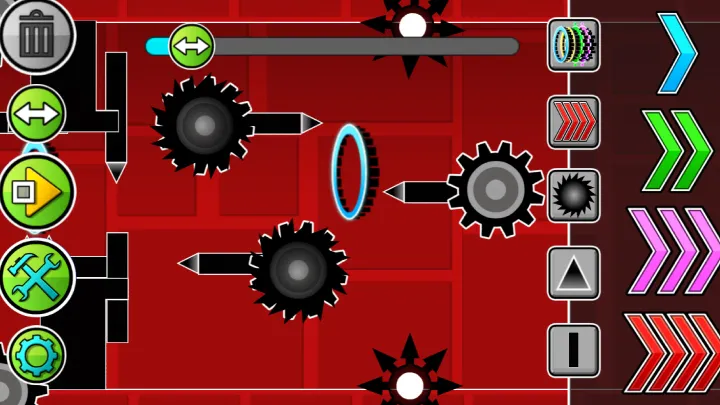
The level editor allows players to create complex and visually stunning levels. Triggers, effects, and custom mechanics enable endless creativity.
This editor transformed Geometry Dash into a creator platform.
Editor Features
- Object triggers
- Visual effects
- Custom gameplay
Creator Recognition
Good levels earn community respect.
8. Community Challenges and Competitive Spirit
The community pushes limits through extreme challenges, speedruns, and consistency tests. Players often share completion videos as proof of skill.
This competitive culture keeps engagement high.
Popular Challenges
- Demon grinding
- No-practice completions
- Consistency runs
Social Motivation
Recognition fuels persistence.
9. Long Gaps Between Updates and Their Impact
Updates for Geometry Dash are rare but impactful. Each major update expands the editor and introduces new mechanics.
Long waits test patience but also build anticipation.
Update Benefits
- New creative tools
- Expanded gameplay
- Renewed community activity
Loyalty Factor
Players stay despite delays.
10. Why Geometry Dash Endures Over Time
Even after many years, Geometry Dash remains popular. Its emphasis on skill, fairness, and creativity gives it timeless appeal.
The game respects player effort and rewards mastery.
Reasons for Longevity
- Skill-based progression
- Endless custom content
- Strong creator community
A Game of Discipline
Success reflects dedication.
Conclusion
Geometry Dash is a rare example of a game where simplicity leads to depth. Through precise timing, music-driven gameplay, and an endlessly creative community, it continues to challenge and inspire players. Whether you aim to beat difficult levels or create your own, Geometry Dash remains a powerful test of focus, patience, and skill.