.webp)




Introduction
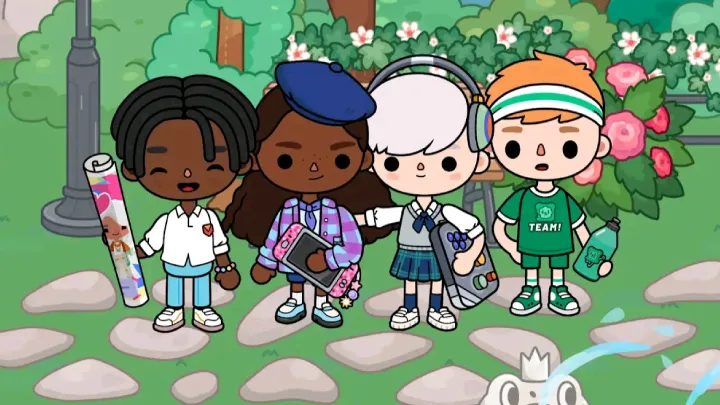
Unlike traditional games that focus on winning battles, completing quests, or achieving high scores, Toca Life World offers something very different. It is a digital sandbox where creativity becomes the main objective. Players are not given strict goals, competitive rankings, or difficult challenges. Instead, they are provided with characters, locations, objects, and complete freedom to create their own stories.
This freedom is both the game's greatest strength and its biggest challenge. Many new players download Toca Life World, explore a few locations, move characters around for a while, and then wonder what they should do next. Without clear objectives, some players struggle to find long-term enjoyment. However, experienced players know that the true magic of Toca Life lies in storytelling.
This guide focuses on a specific "how to" topic: how to create engaging stories in Toca Life World. Rather than discussing the game in general, this article explains how to develop characters, build settings, design plots, create conflicts, manage story progression, and maintain long-term roleplay experiences. Whether you are a beginner or an experienced player, these techniques can help transform simple gameplay sessions into memorable stories.
How to Start with a Story Idea
Every great story begins with an idea.
Many players make the mistake of opening Toca Life World and immediately moving characters around without any direction. While spontaneous play can be fun, creating a basic concept beforehand often leads to more engaging stories.
The idea does not need to be complicated.
Examples include:
- A family moving into a new city.
- A student starting a new school.
- A chef opening a restaurant.
- A doctor managing a busy hospital.
- A celebrity trying to live a normal life.
Simple concepts often work better than complex ones because they provide flexibility.
Think of the idea as a foundation rather than a complete script. The details can develop naturally during gameplay.
How to Create Memorable Characters
Characters are the heart of every story.
Without interesting characters, even the most beautiful locations can feel empty.
When creating characters, avoid making everyone perfect. Perfect characters rarely create interesting situations.
Instead, give each character:
- Strengths.
- Weaknesses.
- Goals.
- Fears.
- Relationships.
For example, a student who wants to become class president but struggles with confidence is far more interesting than a student who succeeds at everything effortlessly.
Character Development Checklist
Before beginning your story, consider:
- What does the character want?
- What problems do they face?
- Who are their friends?
- Who are their rivals?
- How might they change?
These questions create opportunities for future storylines.
How to Choose the Right Setting
A story's setting influences everything that happens within it.
Fortunately, Toca Life World offers a huge variety of locations.
Different settings support different types of stories.
Examples:
- Schools encourage friendship and drama.
- Hospitals support medical stories.
- Apartments create family narratives.
- Offices inspire workplace scenarios.
- Shopping centers allow social interactions.
Rather than constantly changing locations, try focusing on a small number of places during the beginning of a story.
This helps establish familiarity and makes the world feel more believable.
Why Settings Matter
Locations are not just backgrounds.
They create opportunities.
A school naturally generates exams, friendships, competitions, and classroom conflicts.
A restaurant naturally creates customer interactions and business challenges.
The best settings support the story you want to tell.
How to Build Relationships Between Characters
Stories become meaningful when characters interact.
Many beginners focus entirely on individual characters and overlook relationships.
In reality, relationships drive most story developments.
Examples include:
- Friendships.
- Family connections.
- Rivalries.
- Mentorships.
- Business partnerships.
Relationships create emotional investment.
A conflict between strangers may be interesting.
A conflict between best friends is often much more engaging.
Types of Relationships
Positive Relationships
- Friends.
- Supportive family members.
- Helpful coworkers.
Negative Relationships
- Rivals.
- Competitors.
- Difficult neighbors.
Combining positive and negative relationships creates a richer narrative world.
How to Create Conflict Without Making Stories Repetitive
Conflict is the engine that moves stories forward.
Without challenges, stories often become repetitive because nothing changes.
Conflict does not need to involve villains or disasters.
Examples include:
- A student failing an important test.
- A family facing financial difficulties.
- A restaurant receiving poor reviews.
- A lost pet.
- A broken friendship.
Small conflicts often feel more realistic than extreme ones.
The goal is to create problems that characters must solve.
Common Sources of Conflict
- Misunderstandings.
- Competition.
- Personal mistakes.
- Unexpected events.
- Opposing goals.
Conflict creates tension, and tension keeps stories interesting.
How to Plan Story Progression
Many roleplay stories begin strongly but lose direction after a few sessions.
The solution is simple planning.
You do not need a detailed script.
Instead, create major milestones.
For example:
- Family moves into a new house.
- Child starts school.
- New friendships develop.
- A problem emerges.
- Problem gets worse.
- Resolution occurs.
This structure provides direction while allowing flexibility.
The Three-Part Story Structure
Beginning
Introduce characters and setting.
Middle
Introduce conflict and challenges.
Ending
Resolve the conflict and show consequences.
This structure works for almost every type of story.
How to Use Multiple Locations Effectively
As stories grow, players often unlock and utilize more locations.
However, constantly switching locations can become confusing.
Instead, treat locations like real places within a connected world.
For example:
- Home.
- School.
- Workplace.
- Hospital.
- Shopping district.
Characters should travel between these places for logical reasons.
This makes the story feel more realistic and immersive.
Location Organization Tips
- Keep homes consistent.
- Maintain workplace assignments.
- Use recurring locations.
- Avoid unnecessary movement.
Consistency helps players remember story details over time.
How to Create Long-Term Storylines
One of the most rewarding aspects of Toca Life World is developing stories over weeks or even months.
Long-term storytelling requires patience.
Instead of resolving every problem immediately, allow situations to develop gradually.
Examples:
- A student preparing for graduation.
- A small business trying to expand.
- A family saving money for a new home.
- A doctor building a medical career.
These goals create ongoing motivation.
Long-Term Story Techniques
- Introduce future goals early.
- Build anticipation.
- Create setbacks.
- Reward persistence.
- Show character growth.
The longer a storyline lasts, the more meaningful its conclusion often becomes.
How to Avoid Running Out of Story Ideas
Eventually, every player encounters creative fatigue.
The solution is not abandoning the story.
Instead, introduce new elements.
Examples include:
- New family members.
- New locations.
- Career changes.
- School events.
- Community activities.
Fresh developments generate new opportunities naturally.
Idea Generation Methods
Ask Questions
- What happens next?
- What could go wrong?
- What does this character want now?
Introduce Change
- New jobs.
- New neighbors.
- New challenges.
Change keeps stories alive.
How to Turn Simple Roleplay into a Living World
The most advanced Toca Life players stop thinking about individual stories and begin creating living worlds.
A living world contains multiple interconnected storylines.
For example:
- Teachers have families.
- Doctors have friends.
- Business owners have competitors.
- Students have ambitions.
Actions in one storyline affect another.
This interconnected design creates depth.
Characters begin feeling like real residents rather than temporary roleplay figures.
Building a Living World
Focus on:
- Consistency.
- Character history.
- Shared locations.
- Ongoing relationships.
- Consequences.
When stories influence each other, the world feels dynamic and alive.
Players become invested because every action has meaning beyond a single scene.
Conclusion
Creating engaging stories in Toca Life World is not about following strict rules or completing predefined objectives. The game's true strength lies in allowing players to become writers, directors, and actors simultaneously. By starting with a simple idea, developing memorable characters, building meaningful relationships, introducing realistic conflicts, and planning long-term progression, players can transform ordinary gameplay into rich storytelling experiences.
The most successful stories are not necessarily the most dramatic or complex. Often, they are the ones where characters grow, relationships evolve, and events feel connected over time. Toca Life World provides all the tools needed to create these experiences; the creativity comes from the player.
Whether you are creating a family drama, a school adventure, a business simulation, or an entire interconnected city, the key is consistency and imagination. Every character, location, and event becomes part of a larger narrative. With practice, even a simple roleplay session can evolve into a living world filled with memorable stories that continue for weeks, months, or even years.