


Marvel Rivals brings fast-paced hero combat into a dynamic team-based battlefield where every hero choice, movement decision, ability usage, and synergy link can completely change the outcome of the match. Whether you prefer high-mobility heroes, tanky frontline giants, long-range blasters, or support specialists, the game rewards thoughtful team building and deep mechanical understanding.
This guide walks you step-by-step through mastering combat, reading team compositions, leveraging hero synergies, controlling objectives, and improving your overall performance. Whether you're aiming to win casual matches or climb competitive ranks, these strategies will help you elevate your gameplay dramatically.
SECTION 1: How to Choose the Right Hero for Your Playstyle
The first challenge in Marvel Rivals is understanding which hero fits your natural playstyle. Damage-focused players gravitate toward ranged heroes like Star-Lord or fast assassins like Black Panther. Defensive players may prefer tanks like The Hulk who absorb pressure and create space for allies. Support-minded players find comfort in characters like Mantis or Moon Girl who help keep the team alive.
Try each role early on. The game’s diverse roster allows you to figure out which style feels most comfortable. Knowing your strengths helps you perform consistently while also contributing meaningfully to team compositions.

SECTION 2: How to Master Movement and Positioning
Movement is as crucial as damage output. Many heroes rely on positioning to survive or create opportunities. Ranged characters should stay behind cover and use angles, while tanks must stand between the enemy and their team. Misplaced movement often results in instant elimination.
Practice moving unpredictably—jumping, dashing, sliding, and using vertical mobility where available. Controlling sightlines gives you an advantage, allowing you to take shots or initiate attacks without exposing yourself unnecessarily.
SECTION 3: How to Understand Hero Synergies
One of Marvel Rivals’ strongest features is its synergy system. Some heroes combine abilities for stronger effects—Storm’s electricity interacts with certain elemental attacks, while Doctor Strange can set up fields that empower allies.
Learning which heroes complement one another helps build better teams. Coordinated synergy plays often decide fights before they begin. If you’re playing solo queue, look for heroes that naturally enhance the abilities of others, even without communication.
SECTION 4: How to Control Objectives and Win Games
Objective control is more important than kills. Pushing payloads, securing zones, and completing map-based tasks win matches. Many players lose games because they focus too much on chasing eliminations.
Always prioritize map goals. Use tanks to clear space, supports to sustain pushes, and damage heroes to prevent enemies from contesting. The team that sticks together and plays the objective wins far more consistently than the team with the highest eliminations.
SECTION 5: How to Use Abilities at the Right Time
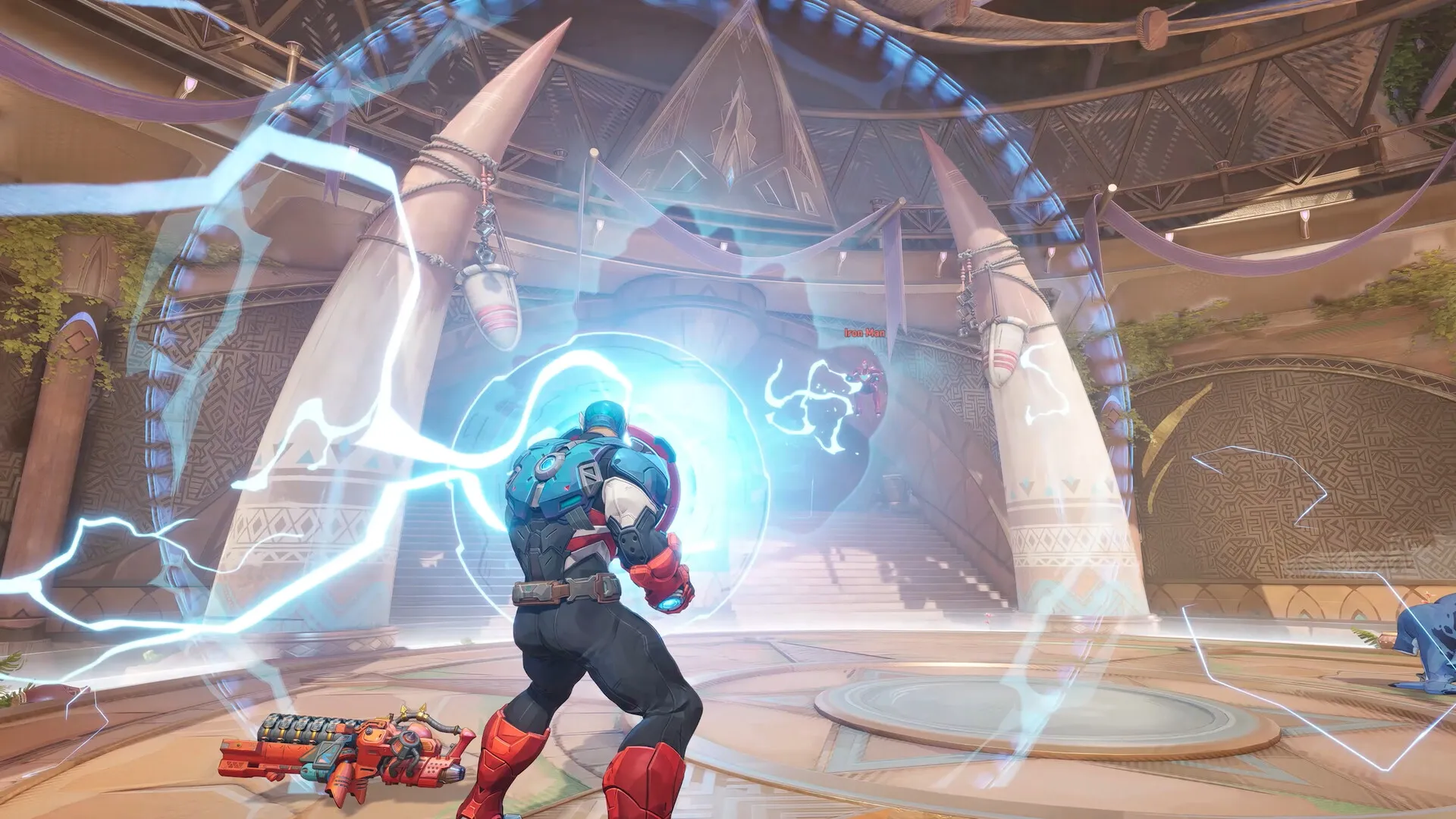
Knowing when to use abilities is a major skill. Don’t waste ultimates on single targets unless they are high-priority threats. Save defensive abilities for enemy initiation and use mobility tools to reposition rather than escape recklessly.
Study cooldown timers. Managing abilities properly allows you to stay effective in every fight. Large team engagements often hinge on which team uses abilities more intelligently rather than who deals more damage.
SECTION 6: How to Fight Smarter, Not Harder
Smart combat means picking your engagements carefully. Engage only when your team is ready, and avoid fighting in narrow corridors if your hero requires space. Taking high ground grants vision, safety, and better firing angles.
Always focus enemy supports or fragile damage heroes first. Removing their healing or burst potential breaks their team’s formation and swings momentum instantly. Good target priority wins fights faster than raw aim alone.
SECTION 7: How to Build Strong Team Compositions
Balanced compositions include tanks, damage heroes, and at least one support. A good tank initiates or protects, while supports sustain the team. Damage heroes finish targets and pressure the enemy frontline.
If your team is missing a role, fill the gap. Even one missing role can make the entire lineup fragile or uncoordinated. Pick based on what the team needs rather than what you want every match—this dramatically increases win rates.
SECTION 8: How to Adapt During Matches
Marvel Rivals encourages adaptation. If the enemy runs heavy shields, switch to heroes who break barriers faster. If they have slippery assassins, pick characters with crowd control abilities to keep them in check.
Changing heroes mid-game allows you to counter enemy strategies and shift momentum. Stay flexible—rigid hero choices often lead to one-sided defeats.
SECTION 9: How to Improve Awareness and Communication
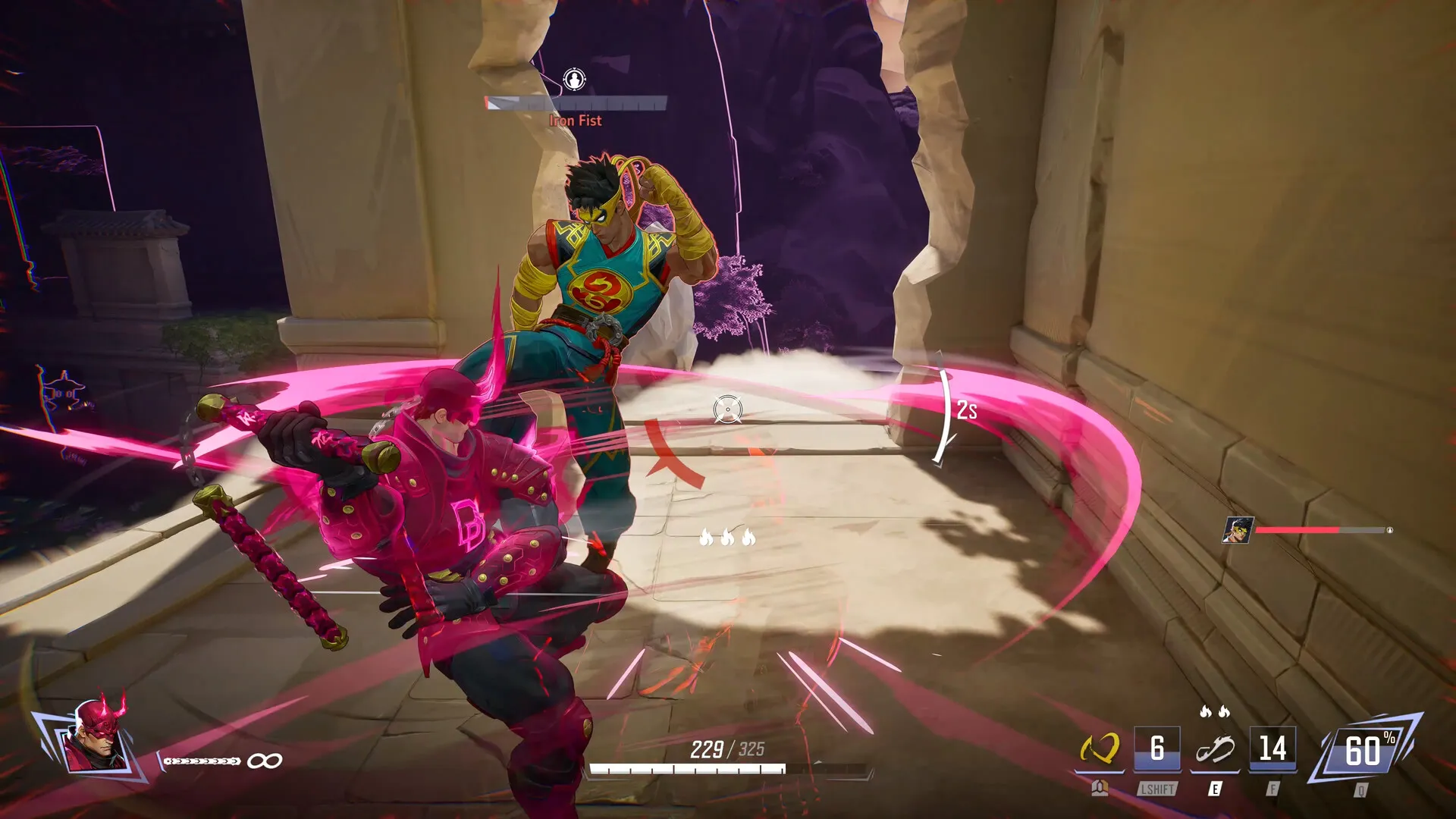
Awareness separates average players from great ones. Pay attention to enemy positions, ultimate charge cues, and teammate health. This helps you predict ambushes, avoid being isolated, and identify when your team is ready to engage.
Even basic communication—pings, quick alerts, or simple voice prompts—enhances coordination. Informing your team about enemy movements or ability usage keeps everyone aligned on strategy.
SECTION 10: How to Prepare for Competitive Play
Competitive matches require discipline. Practice accuracy, positioning, and cooldown usage in casual modes before entering ranked. Learn multiple heroes across different roles so you can adapt to team needs.
Review your mistakes. Each match teaches something—poor positioning, missed synergy opportunities, or improper target priority. Over time, these corrections build strong competitive foundations.
Marvel Rivals is more than a superhero shooter—it’s a tactical, team-driven battle arena built on synergy, adaptability, and constant decision-making. Learning how to choose heroes wisely, manage ability timing, position intelligently, and play for objectives turns you from an average player into a key contributor. With enough practice, teamwork, and strategic thinking, you’ll be ready to dominate every battlefield the Marvel universe can offer.