




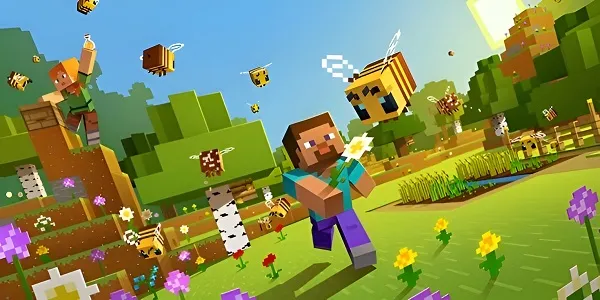
In Minecraft, one of the most impactful and controversial news issues in recent updates is the villager trade rebalance system. For years, villagers have been the backbone of survival progression—providing enchanted books, tools, armor, and resources with relatively low effort once properly set up.
However, new changes introduced by developers aim to rebalance how trades are obtained, limit overpowered strategies, and force players to explore more of the world. This is not a small adjustment—it fundamentally alters how players progress from early game to late game.
This article breaks down in depth how the villager trade rebalance works, why it was introduced, how it evolves over time, and what it means for players moving forward. Instead of general discussion, this is a structured analysis of how one system is reshaping the entire survival experience.
The Old Villager System and Why It Became Overpowered
Before the rebalance, villagers were extremely powerful.
Players could easily manipulate trades to get the best possible items.
How the old system worked
Infinite rerolling
Breaking and replacing workstations reset trades.
Guaranteed enchantments
Players could cycle until they got top-tier books.
Easy access to endgame gear
Diamond tools and armor became trivial.
Problems with the old system
• Eliminated exploration
• Reduced challenge
• Made progression too fast
Key issue
Villagers became a shortcut that bypassed core gameplay.
The Introduction of Biome-Based Trade Restrictions
The new update introduces biome-specific trade systems.
This is one of the biggest changes.
How it works
Different biomes unlock different trades
Certain enchantments are tied to specific villager locations.
Exploration becomes necessary
Players must travel to access full trade options.
Example structure
• Desert villagers → specific enchantments
• Snow villagers → different trade pools
Impact
This system encourages players to explore instead of staying in one location.
Changes to Librarian Trades and Enchantment Access
Librarians were previously the most valuable villagers.
The rebalance changes how enchantments are obtained.
New librarian system
• Limited enchantment pools
• No easy rerolling for perfect books
• Structured progression
Effects on gameplay
• Harder to obtain top-tier enchantments
• More time investment required
• Increased importance of exploration
Key insight
Enchantment farming is no longer instant—it is a process.
How the Update Slows Down Early-Game Progression
Early game progression has been significantly affected.
Players can no longer rush into powerful gear.
Old early-game strategy
• Find village
• Set up librarian
• Get strong enchantments quickly
New early-game reality
• Limited trade access
• More reliance on mining and crafting
• Slower progression curve
Result
The early game feels more balanced and challenging.
Mid-Game Adaptation: New Strategies Players Must Learn
The mid-game is where players begin adapting to the changes.
New mid-game priorities
• Exploring multiple biomes
• Setting up multiple villages
• Managing villager networks
Strategy shift
Instead of one central base, players may build:
• Trade outposts
• Transport systems
• Resource hubs
Key change
Progression becomes geographically distributed.
Late-Game Impact: Redefining Automation and Efficiency
Late-game players are the most affected by this update.
Previously, they relied heavily on villager systems.
Old late-game setup
• Centralized trading hall
• Infinite resource access
• Minimal exploration
New late-game reality
• Multiple trading locations
• Increased logistical complexity
• Need for transport systems
Impact on automation
Iron farms and villager breeders still work, but trade systems require more planning.
Community Reaction to the Villager Rebalance
The update has generated mixed reactions.
Positive feedback
• More balanced gameplay
• Encourages exploration
• Reduces overpowered strategies
Negative feedback
• Increased grind
• More complexity
• Loss of convenience
Community divide
Casual players may struggle, while experienced players adapt.
How the Update Changes Multiplayer Servers
Multiplayer environments are significantly impacted.
Old multiplayer dynamics
• Shared trading halls
• Easy access to resources
• Centralized economy
New multiplayer changes
• Decentralized trading systems
• Increased player roles
• More cooperation required
Example roles
• Explorer
• Trader
• Builder
The update encourages teamwork.
Developer Intent and Long-Term Vision
Understanding why the update exists is important.
Developer goals
• Restore progression balance
• Encourage exploration
• Reduce repetitive mechanics
Long-term vision
Minecraft is shifting toward:
• Exploration-driven gameplay
• Meaningful progression
• Balanced systems
Key takeaway
The update is part of a larger design philosophy.
What Players Should Expect Moving Forward
This is not the final version of the system.
More updates are expected.
Future possibilities
• Additional trade adjustments
• New villager mechanics
• Expanded biome systems
Player preparation
• Learn new systems early
• Adapt playstyle
• Stay informed on updates
Key mindset
Flexibility is essential.
How This Update Redefines the Core Survival Experience
At its core, Minecraft survival is changing.
Old survival identity
• Efficiency-focused
• System exploitation
• Fast progression
New survival identity
• Exploration-focused
• Strategic planning
• Slower, meaningful progression
Final insight
The game is moving toward depth over convenience.
Conclusion
The villager trade rebalance represents one of the most significant changes in Minecraft’s recent history. By introducing biome-based trade restrictions, limiting enchantment access, and encouraging exploration, the update fundamentally reshapes how players approach survival progression. While it adds complexity and slows down early advancement, it also restores balance and depth to the game. Players must now adapt by exploring more, building decentralized systems, and rethinking their strategies. As Minecraft continues to evolve, this update signals a shift toward a more immersive and rewarding experience, where effort and discovery play a central role in success.