.webp)





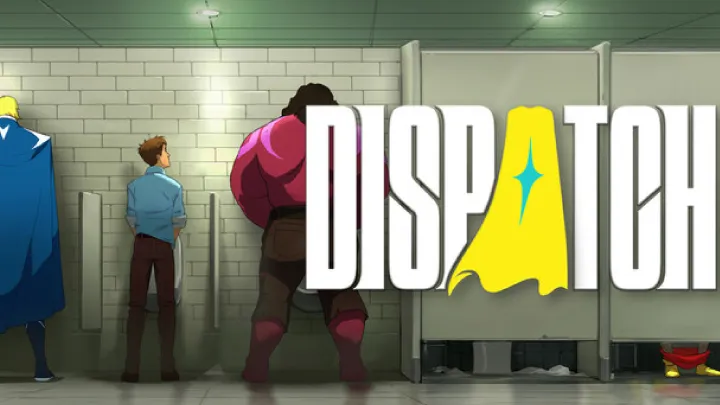
Dispatch is an intriguing indie game that merges narrative with mechanics intended to offer players an engaging experience. While the game has garnered a dedicated following, one of the most significant issues it faces is the balance between storytelling and gameplay mechanics. This article examines how Dispatch navigates the complex landscape of game design while emphasizing the importance of pacing, player choice, and emotional engagement in shaping the overall experience.
The Premise of Dispatch
Setting the Scene
Set in a dystopian future, Dispatch places players in the role of a dispatcher tasked with managing calls for help from a beleaguered city. Players must make decisions that not only affect individual outcomes but also impact the larger narrative arc. This dual focus allows the game to weave together personal stories with overarching themes of societal decay and moral ambiguity.
The Narrative Structure
The game’s narrative unfolds through a series of interconnected stories, presenting players with the moral dilemmas and challenges faced by citizens in need. The design encourages players to explore various outcomes, with each decision unveiling different facets of the world and its inhabitants. However, as engaging as this storytelling approach is, the balance between narrative depth and gameplay mechanics remains a central challenge.
The Balance of Story and Gameplay
Narrative-Driven Gameplay
At its core, Dispatch strives to merge storytelling with gameplay mechanics. Players must navigate a series of calls, each presenting a unique scenario that demands quick thinking and ethical considerations. The intention is to create an emotionally rich experience, drawing players into the lives of characters as they make impactful decisions.
Mechanics That Support Storytelling
The mechanics include resource management, time constraints, and decision-making under pressure. Players must weigh the severity of each call while managing their limited resources—such as time and personnel. However, while these mechanics enhance the narrative framework, they can also detract from the emotional engagement if not executed properly.
The Risk of Overwhelm
Complexity of Decisions
One of the notable issues Dispatch faces is the overwhelming complexity of decisions. The game requires players to analyze information quickly and prioritize calls based on urgency and resources. This level of complexity can create frustration among players, particularly those looking for a more narrative-focused experience rather than a mechanically driven challenge.
Potential for Player Fatigue
The game has been critiqued for inducing decision fatigue. Continually making significant choices can detract from the enjoyment of the narrative, leading players to feel as though they're caught in a loop rather than experiencing a rich, unfolding story. Balancing the intensity of decision-making moments with quieter narrative sequences could mitigate this issue.
Emotional Engagement Through Character Development
Building Relatable Characters
Characters in Dispatch are crafted with depth and nuance, contributing significantly to the game’s emotional weight. Each individual’s backstory and plight resonate with players, showcasing a diverse range of human experiences. However, if players become too overwhelmed by the mechanics, they may fail to connect with these characters on a deeper level.
The Weight of Choices
The crux of Dispatch lies in the consequences of player choices. Each decision carries emotional weight, influencing how characters are perceived and whether they live or die. Enhancing character arcs and developing relationships can deepen emotional engagement, providing players with a reason to care about the outcomes of their decisions.
The Role of Pacing
The Need for Balanced Rhythm
Pacing is critical for maintaining player engagement. A consistent rhythm keeps players hooked, allowing emotional beats to land effectively. In Dispatch, the game can become erratic, flipping between rapid decision-making and slower narrative beats. Finding a steady pace that blends high-stakes moments with reflective storytelling is essential for keeping players emotionally invested.
Mapping Player Progression
Integrating a system that maps player progression can illuminate how decisions impact gameplay and encourage players to explore alternative pathways. Creating a sense of progression can encourage players to feel motivated to replay scenarios, further deepening their emotional engagement with the narrative.
Community Feedback and Iterative Design
The Importance of Player Input
Listening to community feedback plays a pivotal role in addressing narrative and gameplay issues. The developers of Dispatch have actively engaged with players, gathering insights that have informed updates and patches. This collaborative approach fosters a sense of community ownership over the game, enhancing its development.
Addressing Concerns
Common issues raised by players include the need for clearer mechanics and more streamlined decision-making processes. Addressing these concerns can improve player experience and ensure that the game emphasizes emotional storytelling without overwhelming players with complexity.
Innovations in Game Design
Introducing Diverse Gameplay Elements
Exploring innovative gameplay elements can breathe new life into Dispatch. Introducing mini-games or alternative decision paths could create unique experiences within the existing framework, allowing players to engage with the narrative in varied ways. This approach can also alleviate some of the overwhelming complexity present in primary decision-making.
Balancing Mechanics with Story
The challenge remains in integrating gameplay mechanics that enhance rather than detract from emotional storytelling. Incorporating a lighter, more intuitive interface for managing resources could ease player fatigue while retaining the game's core mechanics.
The Future of Dispatch
Expanding the Narrative Universe
Dispatch has the potential for expansions that delve deeper into its world, offering players new stories and challenges. By enriching the game universe, the developers can foster a larger community and create additional emotional experiences.
Enhancing Replayability
The addition of varied routes and outcomes can enhance replayability. Players should feel that exploring different choices leads to meaningful variations in outcome and character development. This would encourage players to return to the game, eager to discover all it has to offer.
Conclusion
Dispatch grapples with the delicate balance of narrative depth and gameplay mechanics, successfully immersing players in engaging stories while facing challenges related to player choices and complexity. By focusing on emotional engagement, character development, and pacing, the developers can enhance the game’s overall experience. With ongoing community feedback and a commitment to iterative design, Dispatch has the potential to evolve into a beloved title, captivating players with its unique approach to storytelling.