





A New Transformation For A Modern Legend
The Witcher 3: Wild Hunt has been updated multiple times since its release, yet the 2025 overhaul marks the most ambitious revitalization the game has received in nearly a decade. It is not merely a graphical update or a small mechanical patch. Instead, it is a reconfiguration of how the world behaves, how characters interact, how narrative systems branch and how exploration feels across the Continent.
What separates the 2025 update from earlier remasters is its focus on identity. CD Projekt Red framed this update as an opportunity to restore the intended density and texture of Geralt’s world, something they could not fully realize with 2015 hardware limitations. Many systems long rumored during early development have been reintroduced, including weather interconnectedness, expanded monster behaviors and reactive town life. The cumulative effect is a game that feels familiar yet fundamentally new.
Importantly, the update respects the original experience. Veteran players will recognize the tone, characters and structure, but the cadence of traveling between regions, preparing for battles or even following clues in a side contract now feels more alive. Exploration is rediscovered rather than repeated, proving that a masterpiece can evolve without losing its soul.
Visual And Atmospheric Enhancements Across The Continent
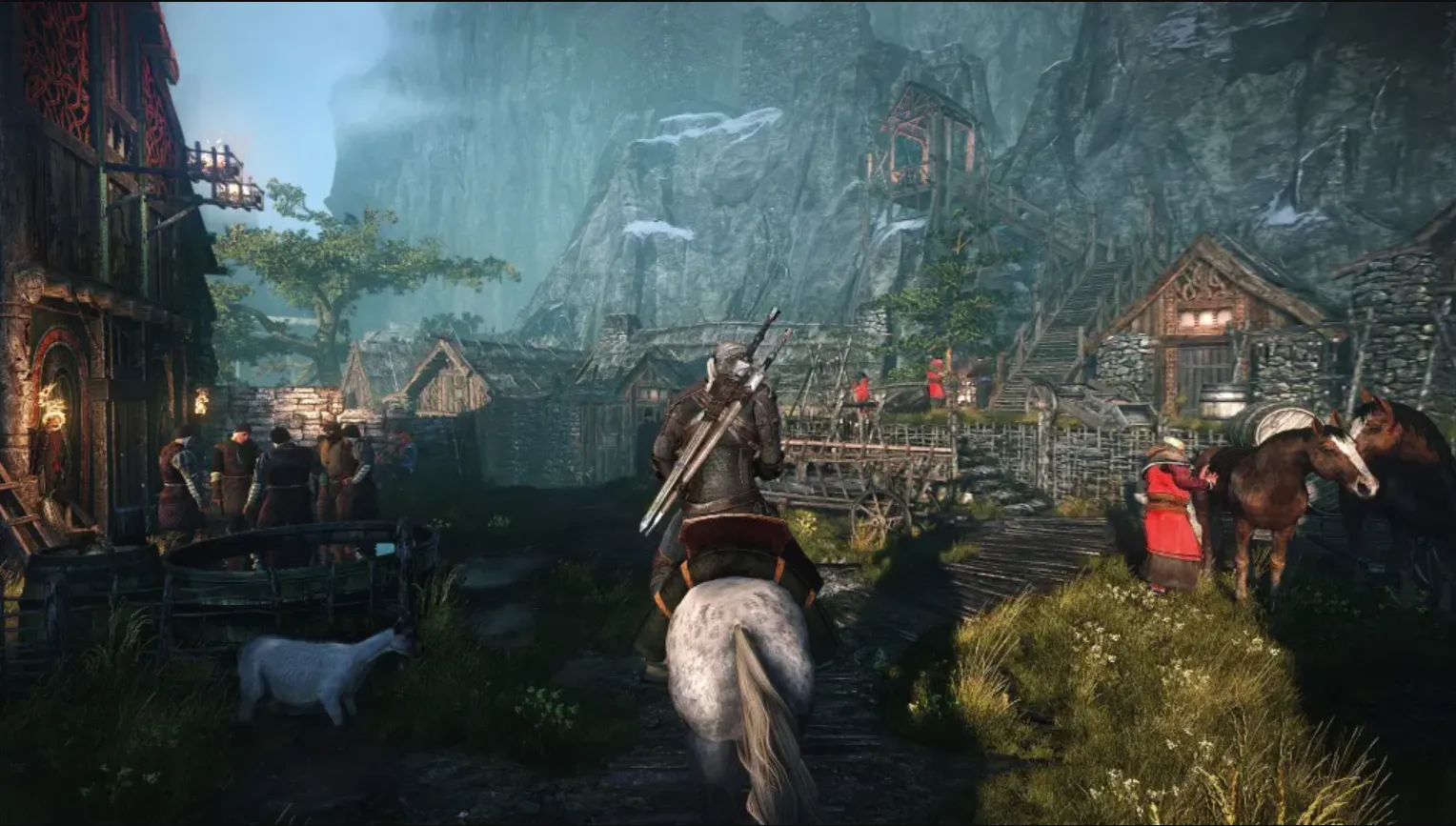
The first difference most players notice is the atmosphere. The Continent in 2025 is richer, more dynamic and more unpredictable. This is not just a matter of sharper textures but a complete environmental philosophy shift.
A Lighting System That Changes The Mood
Lighting has been fully rewritten with depth, reflection layers and subtle gradations that mimic real northern European landscapes. Nights in Velen dim softly instead of plunging into monotone darkness. The rolling fogs of Novigrad harbor shift with humidity. Skellige has new light scattering across icy cliffs that gives the islands a haunting loneliness.
Weather That Influences Your Reality
Weather patterns now evolve according to regional climate simulations. Rainstorms are generated based on wind direction and temperature. Dry spells can cause dust clouds across battlefields. Snowfall affects visibility and can muffle footsteps, creating tension during nighttime hunts.
Region Specific Microclimates
Every region has unique microclimates. A marsh near Crookback Bog may remain misty for days, while Oxenfurt’s riverfront creates early morning humidity. These microclimates affect monster spawn rates and NPC routines, turning travel into a strategic decision.
Improved Combat And Monster Intelligence
The 2025 update deepens combat design without abandoning what made The Witcher 3’s system approachable. Geralt feels more responsive and decisive, especially during close combat encounters.
Weighted Movement And Precise Positioning
Geralt’s dodges are influenced by armor class and stamina. Light armor grants quicker repositioning while heavy armor encourages deliberate footwork. The new movement weight system rewards situational awareness and reduces random flailing.
Monsters With Real Hunting Patterns
Every monster type now operates on a revised behavior tree. Wolves no longer charge blindly. They flank, retreat and regroup. Leshens call birds to distract vision. Wraiths phase unpredictably depending on moonlight intensity.
Contract Hunts With Multi Stage Encounters
Contracts have been redesigned as multi phase engagements. A Nekker infestation may evolve into tracking an alpha leader. A Fiend encounter may require baiting it across a terrain type that disadvantages its charge attacks. The process becomes investigative, methodical and narratively grounded.
NPC Reactions And Social Ecosystems
NPCs have always been a highlight of The Witcher 3, but the 2025 update introduces layered social ecosystems that respond more dynamically to Geralt’s presence and world events.
Daily Life That Feels Like A Living Settlement
Villagers now follow routines tied to weather, work cycles and local conflicts. Farmers move livestock during storms. Guards replace each other during shifts. Merchants close stalls early during monster activity spikes.
Reputation That Spreads Across The Land
Reputation has become a system rather than a narrative flavor. A village aided by Geralt may adopt safer behaviors, fortify gates or hire additional volunteers. Conversely, if Geralt leaves a contract unresolved, the town may fall into panic or economic instability.
Emotional Micro Interactions
NPCs react to Geralt’s armor condition, road injuries or the presence of certain trophies. A blood drenched trophy may cause townsfolk to avoid eye contact. A polished sword may draw admiration from children. These small reactions enrich social nuance.
Narrative Expansions And Branching Story Revisions
CD Projekt Red introduced subtle but meaningful narrative expansions that integrate naturally into the original story structure. New dialogue variants, new conflict resolutions and a handful of fresh micro quests have been added to enhance player agency.
Extended Dialogue Trees And Emotional Cadence
Certain main story scenes now include additional conversational layers. These options do not radically change outcomes but expand emotional context. Conversations with Yennefer and Triss have more reflective moments. Vesemir shares new insights about witcher traditions. Even minor characters gain depth through optional questions.
Reworked Side Stories And Hidden Threads
Some side quests now reveal previously unused narrative branches. A contract in Oxenfurt may lead to a hidden cave network. A domestic dispute in Novigrad may connect to regional smuggling lines. These threads make older quests feel newly unpredictable.
Recontextualized Story Moments
The update includes new cutscene transitions, new animations for certain emotional beats and a refined pacing structure for critical chapters. The famous battle at Kaer Morhen feels grander, with new effects and expanded NPC behaviors.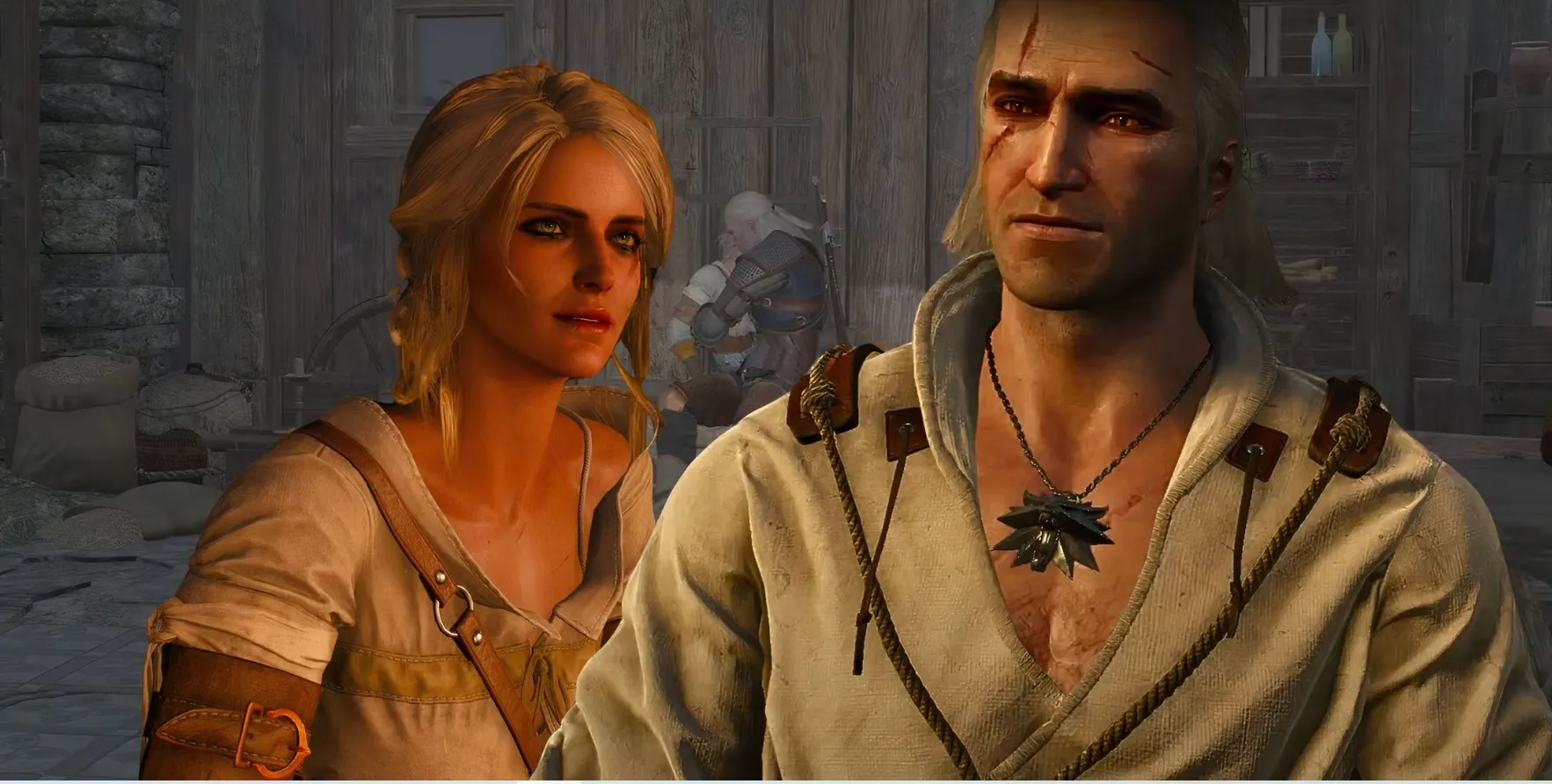
Revitalized Exploration And Map Design
Exploration remains a pillar of The Witcher 3, and the 2025 update strengthens its role by making the world more reactive and reward driven.
Points Of Interest With Greater Variability
Points of interest have been reworked to include branching outcomes. Clearing a monster nest might create an herbalist settlement weeks later. Helping a group of travelers may lead to supplies appearing in future towns.
Enhanced Loot Logic And Resource Scarcity
Loot tables now consider region, weather and monster type. Items found in Skellige differ significantly from those in Velen, both thematically and mechanically. Scarcity also varies seasonally, giving players a reason to revisit areas.
Horse Exploration Systems
Roach gains improved pathfinding, better stamina logic and the ability to detect danger zones. Players can customize saddle accessories that influence exploration buffs.
Combat Preparation And Alchemy Overhaul
Alchemy and preparation play larger roles than before, reinforcing The Witcher’s core identity as a methodical hunter.
Potion Effects With Greater Tradeoffs
Potions now offer powerful benefits but impose stricter toxicity penalties. Players must balance aggressive boosts with survival risks. Bomb crafting has also expanded with new variants.
Oils That Interact With Weather And Environment
Some oils work better in cold climates while others become less effective in humidity. This forces players to evaluate the environment before entering battle.
Mutations With New Path Options
Mutations have been restructured into broader archetypes, enabling personalized builds such as Durable Tank, Nocturnal Assassin, High Toxicity Specialist or Crowd Control Expert.
Technical Advancements That Modernize The Experience
The update includes performance improvements and quality of life changes designed for modern hardware.
Stability In Dense Areas
Novigrad and Beauclair now load more efficiently. Even crowded markets maintain steady performance during combat or chase sequences.
Controller And UI Revisions
UI scale options, streamlined inventory navigation and finer camera control enhance playability on both PC and console.
Enhanced Audio Layering
The soundscape now uses layered acoustic modeling. Forests echo differently during storms. Steel vibrates uniquely upon striking stone, wood or bone. Taverns sound lively with overlapping chatter.
Community Influence And Future Direction
The 2025 update was shaped by years of community feedback, modding culture and player requests.
Integration Of Mod Inspired Features
Many community requested improvements have been formalized into the official build, including better fast travel markers, torch enhancements and combat responsiveness tweaks.
CD Projekt Red’s Renewed Support Model
Developers have confirmed that future seasonal updates will refine AI interactions, expand monster behaviors and continue improving the experience organically.
A Foundation For Long Term Longevity
The Witcher 3 now has a foundation suitable for extended support rather than small isolated patches. The game can evolve without requiring full sequels to remain relevant.
Conclusion
The 2025 update for The Witcher 3: Wild Hunt is not simply a refresh. It is a thoughtful restoration of the game’s original spirit combined with modern innovation. With improved visuals, dynamic weather, deeper NPC behavior, expanded narrative options and refined combat, the Continent feels more alive than ever. This update proves that a timeless masterpiece can continue evolving while honoring its legacy, setting a new standard for how classic games can be preserved and reimagined for future generations.