.webp)








Wanderstop presents itself as a cozy tea shop management game, but that framing conceals its more subversive intention. Rather than rewarding optimization, expansion, or efficiency, the game deliberately interrupts productivity loops. Players assume the role of a former warrior who runs a tea shop in a quiet forest clearing, yet the core experience is not about building a business. It is about slowing down.
This article examines how Wanderstop weaponizes stillness. Through constrained progression, ritualized tea preparation, and narrative resistance to escalation, the game systematically dismantles the expectation that forward motion equals success. Instead, it challenges players to confront rest as an uncomfortable, necessary act.
1. Arrival and the Disruption of Momentum
The protagonist enters Wanderstop after a personal collapse.
Rather than beginning with empowerment, the game opens in exhaustion. The character is not rising to a challenge; she is retreating from one.
This reversal establishes the central tension: players conditioned by action-driven systems expect recovery through renewed effort, but Wanderstop refuses to provide that outlet.
2. Tea-Making as Repetitive Ritual
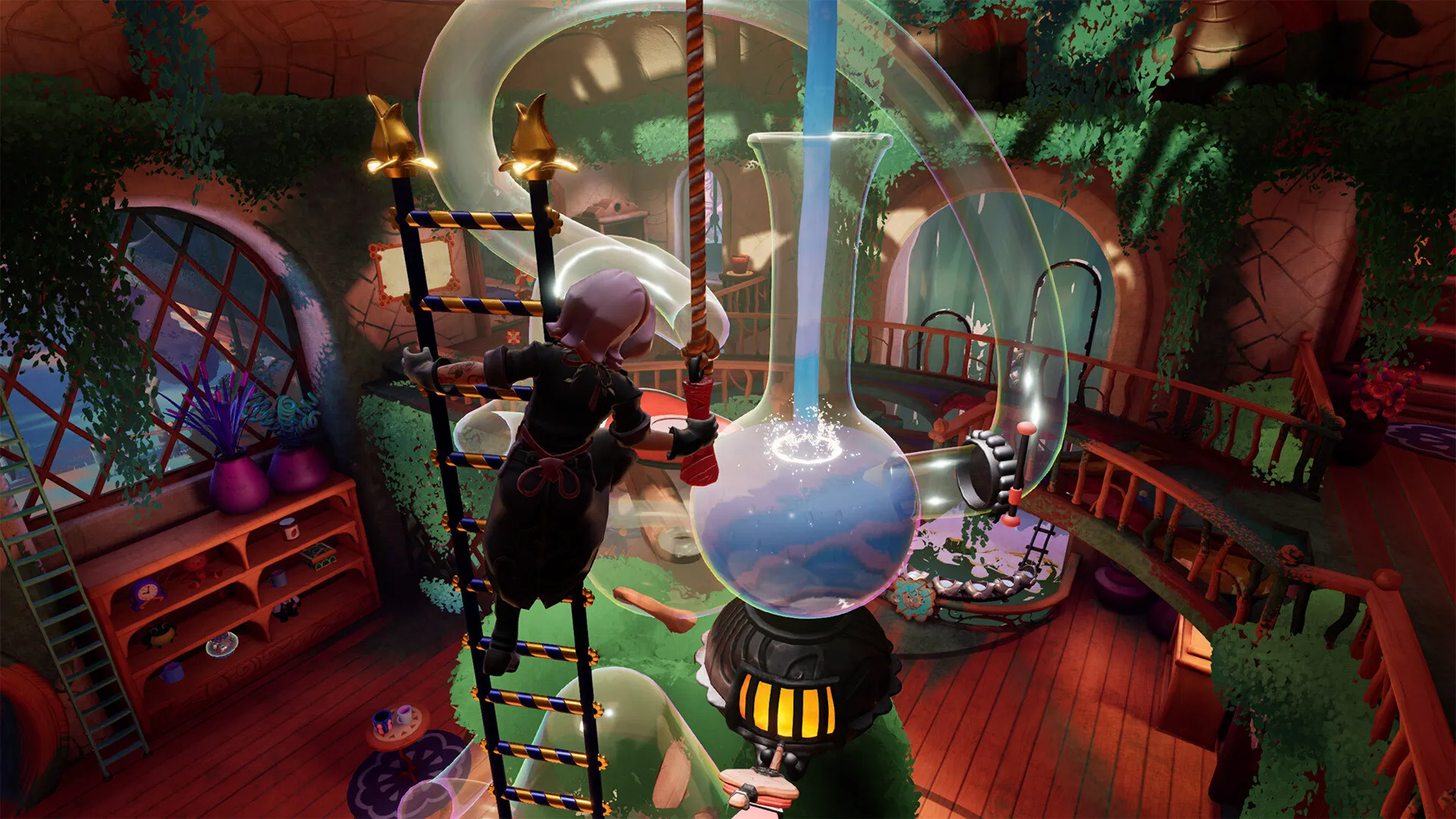
The preparation of tea involves deliberate, multi-step processes.
Grinding ingredients, heating water, selecting blends—each action unfolds slowly and intentionally.
Ritual over optimization
There is no mechanical incentive to speed up beyond modest efficiency gains.
The repetition is designed to feel cyclical rather than progressive.
3. Absence of Escalating Stakes
Customers arrive with stories, not urgent crises.
Their problems are emotional rather than catastrophic.
Low-stakes structure
There are no timers threatening collapse, no economic disasters looming.
This absence destabilizes the expectation of rising tension.
4. The Refusal of Expansion Fantasy
Many management games hinge on growth.
Wanderstop resists this model. The tea shop does not transform into a commercial empire.
Containment as design
The physical space remains intimate.
Progression occurs internally rather than spatially.
5. Dialogue as Emotional Processing
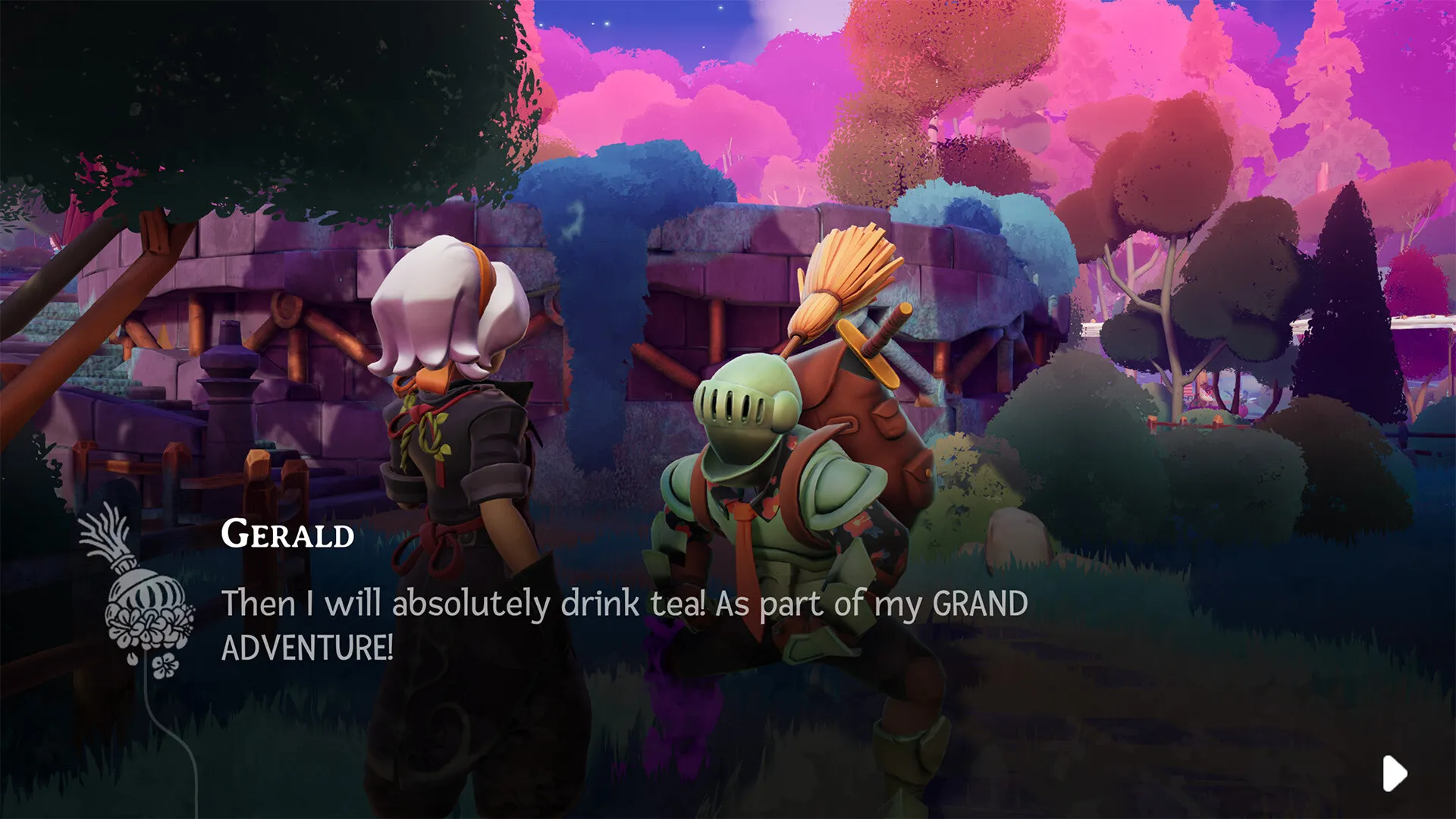
Conversations unfold slowly, often circling unresolved feelings.
The protagonist’s responses reflect hesitation and defensiveness.
Narrative friction
Growth is not immediate or linear.
The writing resists catharsis on demand.
6. Stillness as Mechanical Constraint
Periods of inactivity are embedded into play.
Waiting for water to boil or ingredients to grow cannot always be bypassed.
Engineered pause
These enforced delays confront players with unstructured time.
Discomfort emerges from the absence of distraction.
7. Reframing Failure
There are no catastrophic fail states.
Mistakes in preparation do not destroy the shop.
Soft consequences
The game removes fear of collapse, shifting focus toward reflection.
Failure becomes a neutral event rather than punishment.
8. Environmental Design and Emotional Tone
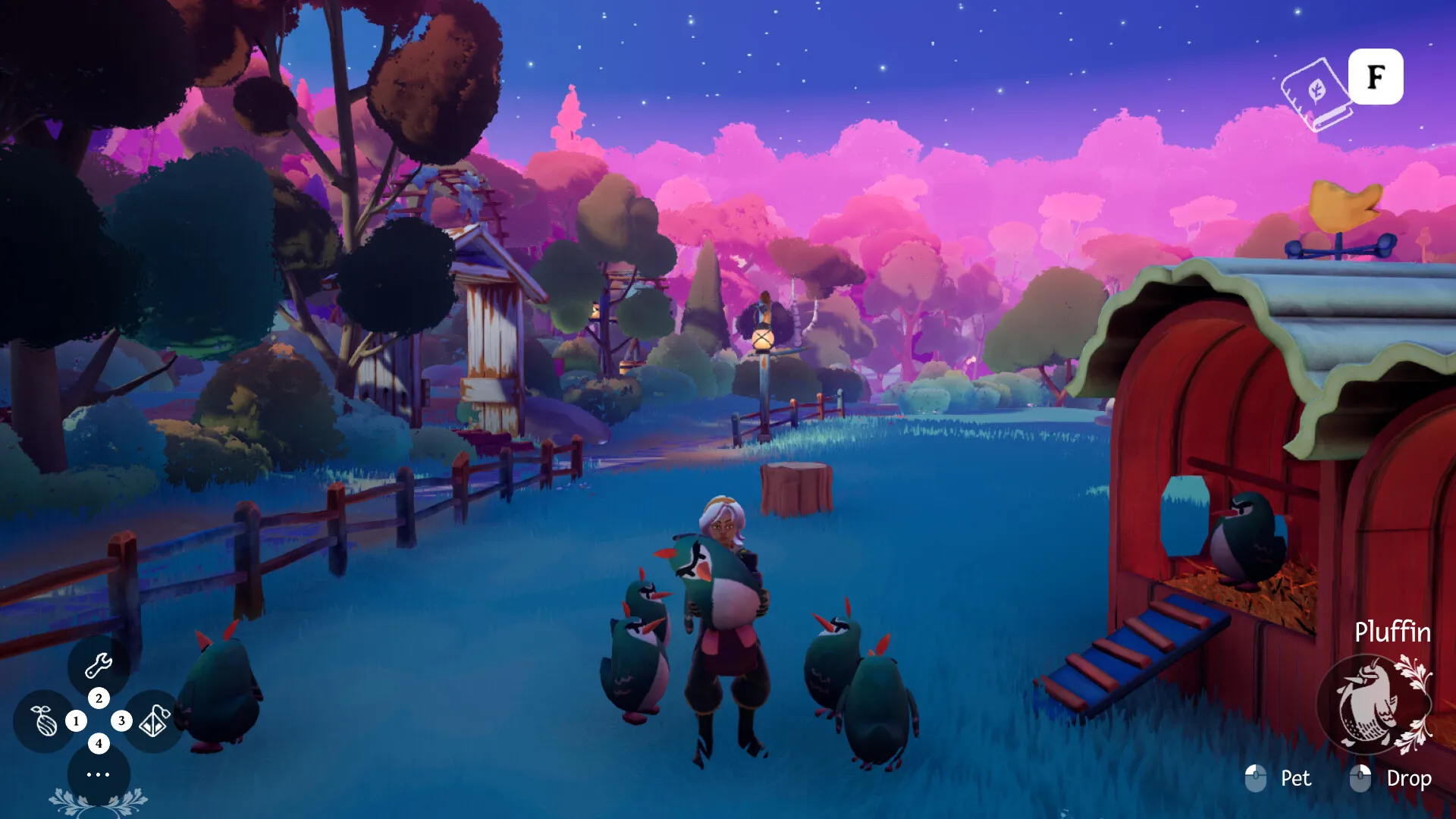
The forest setting is stable and unthreatening.
Wind rustles leaves. Lighting shifts gently throughout the day.
Atmospheric containment
The environment reinforces safety rather than urgency.
The world does not demand heroism.
9. Productivity Withdrawal Symptoms
Players accustomed to constant objectives may initially feel restless.
The lack of escalating rewards exposes how deeply productivity loops shape engagement.
Psychological detox
Wanderstop surfaces the anxiety of inactivity.
The game becomes a mirror rather than an escape.
10. Why the Game Must Resist Player Acceleration
Allowing optimization to dominate would undermine the theme.
If systems rewarded speed and expansion aggressively, the emotional arc would collapse.
Wanderstop’s strength lies in its refusal to indulge familiar reward structures. It insists that stopping is not failure but recalibration.
Conclusion
Wanderstop is not simply a cozy management experience; it is a deliberate intervention into productivity-driven design norms. By centering repetitive ritual, limiting expansion, and embedding enforced stillness into its mechanics, the game challenges players to reconsider what meaningful progress looks like. Instead of rewarding relentless motion, it proposes recovery through pause.
In doing so, Wanderstop transforms tea-making into a metaphor for emotional restoration. It argues that rest is not an intermission between achievements but a necessary space in which identity can be rebuilt. The game’s quiet radicalism lies in its insistence that stopping is not stagnation—it is survival.