





Clair Obscur: Expedition 33 presents one of the boldest narrative mechanics in modern role-playing games: a world where everyone knows the exact age at which they will die. Each year, the mysterious Paintress marks a number on the monolith, and every person of that age disappears. The player’s party belongs to Expedition 33—a doomed generation traveling toward near-certain erasure.
This mechanic is not just narrative flavor. It defines character motivation, story structure, pacing, and even combat psychology. However, beneath its originality lies a deep and unresolved issue: the fixed death-by-age system simultaneously empowers emotional storytelling while undermining long-term player agency. Over the course of the game, this tension becomes increasingly apparent, shaping how players interpret choices, relationships, and progress.
This article explores that issue in depth, tracing how the death clock evolves from a powerful narrative hook into a structural limitation that subtly conflicts with the RPG genre’s promise of growth, mastery, and choice.
1. The Concept of the Death Clock
At the heart of Clair Obscur lies inevitability.
The Paintress does not negotiate. When your number comes, you vanish. This creates a setting where hope is not rooted in survival, but in defiance.
H3: A World Without Tomorrow
Characters plan knowing there may be no future beyond the expedition.
H4: Narrative Strength
This premise immediately establishes:
- Urgency
- Melancholy
- Emotional clarity
Unlike many RPGs, there is no illusion of infinite time.
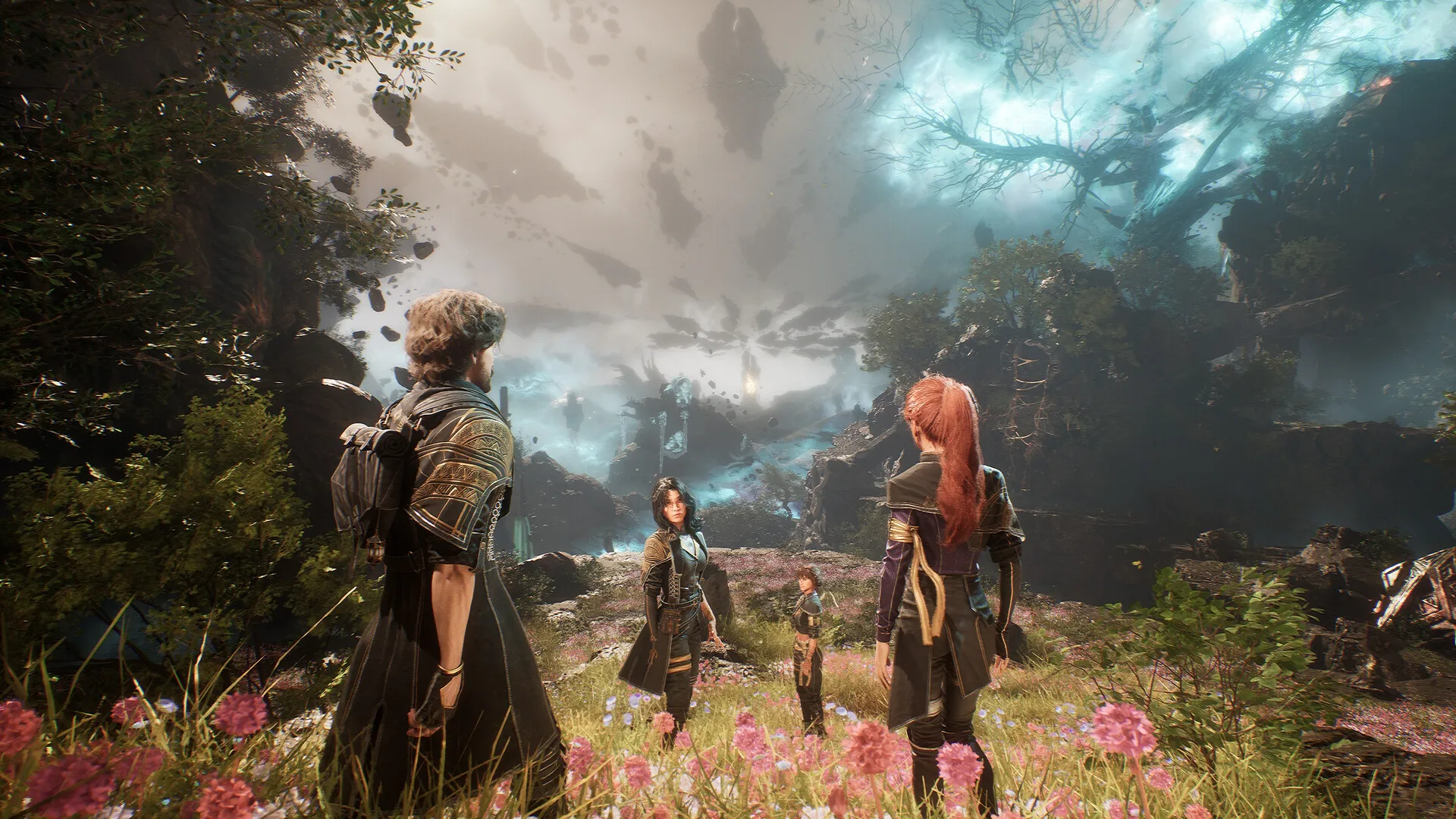
2. Early Game: Emotional Urgency at Its Strongest
In the opening hours, the death clock works perfectly.
H3: Motivation Through Certainty
Players act not to become heroes, but because inaction guarantees extinction.
H4: Player Alignment
The player’s emotions align with the characters’ fear, anger, and determination.
At this stage, inevitability feels empowering rather than limiting.
3. Midgame Shift: When Inevitability Becomes Predictability
As the game progresses, the certainty of death begins to change tone.
H3: From Tension to Routine
The countdown no longer surprises; it becomes background noise.
H4: Structural Problem
RPG systems encourage investment:
- Leveling
- Skill mastery
- Long-term builds
But the death clock suggests impermanence, creating friction between mechanics and meaning.
4. Agency Under a Fixed Endpoint
True agency requires meaningful outcomes.
H3: The Illusion of Choice
Many player decisions affect:
- Dialogue tone
- Relationship warmth
- Tactical outcomes
But not fate.
H4: Emotional Consequence
Players begin to question:
“Why invest if the end is unchanged?”
This does not ruin the narrative, but it reshapes engagement.
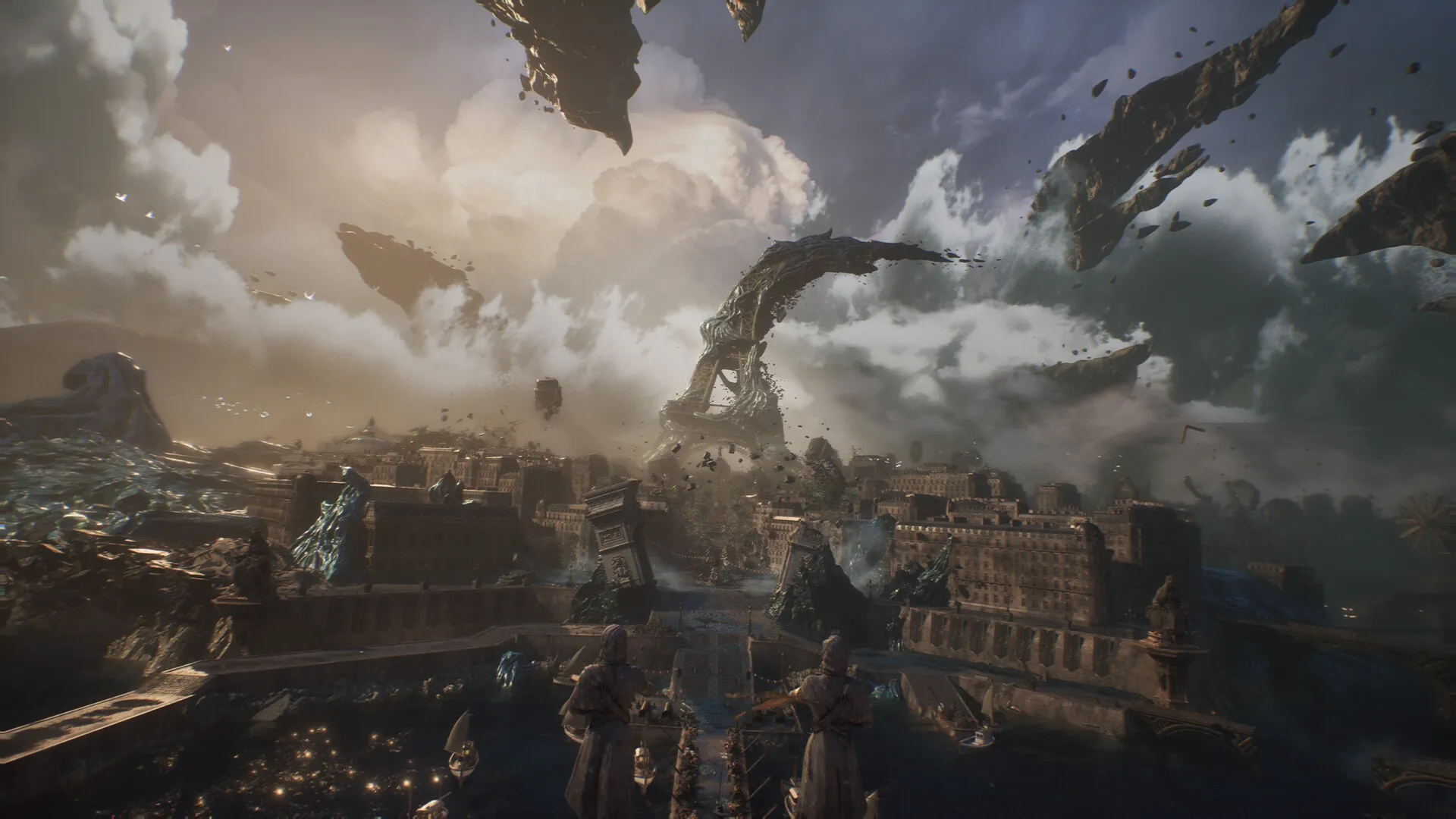
5. Character Bonds and the Weight of Knowing the End
Relationships are central to Expedition 33.
H3: Accelerated Intimacy
Characters bond quickly because time is short.
H4: Emotional Saturation
However, repeated reminders of impending death risk emotional flattening. Grief loses impact when expected.
6. Combat Design Under the Shadow of Death
Combat in Clair Obscur is deliberate, stylish, and tactical.
H3: Mechanical Excellence vs Narrative Fatalism
Players refine strategies knowing mastery will not prevent loss.
H4: Resulting Tension
This creates a strange paradox:
- Combat rewards precision and optimization
- Narrative devalues permanence
The systems speak different emotional languages.
7. Progression Systems and the Question of Meaning
RPG progression implies legacy.
H3: Why Leveling Feels Different Here
Power growth feels temporary by design.
H4: Player Response Patterns
Common reactions include:
- Riskier play
- Less attachment to builds
- Focus on story over mechanics
This shifts genre expectations.
8. Late Game: When Defiance Turns Philosophical
As the expedition nears its conclusion, tone shifts again.
H3: Acceptance vs Resistance
Players confront whether the goal is survival or understanding.
H4: Narrative Strength, Mechanical Cost
The story deepens, but interactivity narrows.
The game becomes more about witnessing than shaping outcomes.
9. Comparison to Other Fatalistic Games
Fatalism is not unique—but its implementation here is.
H3: What Clair Obscur Does Differently
Unlike roguelikes or time-loop games:
- There is no reset
- No alternate timelines
- No mechanical escape
H4: The Unique Risk
Without systemic flexibility, emotional fatigue becomes a risk.
10. The Core Issue: When Theme Overrides Agency
Clair Obscur commits fully to its message.
H3: Artistic Integrity vs Player Expectation
The game prioritizes thematic honesty over comfort.
H4: The Central Tension
Can a role-playing game deny the player ultimate control and still satisfy?
Clair Obscur answers “yes,” but not without cost.
Clair Obscur: Expedition 33 is courageous in its design. The death-by-age mechanic is not a gimmick—it is the soul of the experience. It delivers emotional clarity, narrative urgency, and philosophical depth rarely seen in RPGs.
Yet that same mechanic introduces a persistent issue: the erosion of player agency over time. As inevitability replaces uncertainty, choice becomes expressive rather than transformative. For some players, this deepens the message. For others, it conflicts with the fundamental promise of role-playing games.
Ultimately, Clair Obscur is less about winning than about meaning. It asks players not how they will survive, but how they will act knowing they cannot. Whether that tradeoff resonates depends on how much agency a player is willing to surrender in exchange for artistic truth.