


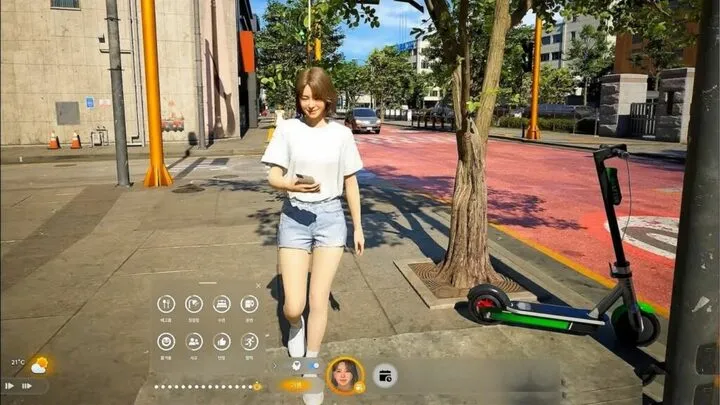
inZOI is a next-generation life simulation game that places heavy emphasis on realism, emotional depth, and player-driven storytelling. Unlike traditional life sims that rely mainly on routine tasks, inZOI introduces complex emotional reactions, social consequences, and long-term character development shaped by everyday decisions.
Success in inZOI is not about rushing achievements. It is about understanding how choices ripple through a character’s career, relationships, mental state, and lifestyle over time. This blog explains how to play inZOI effectively by mastering its deeper systems and avoiding common progression mistakes.
Understanding inZOI’s Life Simulation Philosophy
inZOI focuses on realism and consequence.

Core Design Principles
- Characters react emotionally to events
- Daily routines affect long-term well-being
- Social actions carry memory and weight
Every small decision contributes to a larger life narrative.
Character Creation With Long-Term Goals in Mind
Character setup influences the entire playthrough.
Smart Creation Tips
- Balance personality traits instead of maximizing one
- Choose aspirations that align with lifestyle pace
- Avoid conflicting emotional tendencies early
A well-balanced character adapts better to life changes.
Daily Routine Optimization
Routines determine stability.
Effective Routine Planning
- Schedule rest and leisure consistently
- Avoid overloading work hours
- Leave buffer time for social interactions
Burnout occurs when routines ignore emotional needs.
Emotional States and Mental Health
Emotions are a core mechanic, not a visual detail.
Managing Emotional Health
- Address stress early
- Rotate activities to avoid monotony
- Maintain social connections
Ignoring emotional decline leads to long-term setbacks.
Career Progression Without Burnout
Careers reward consistency, not constant pressure.
Career Strategy Tips
- Focus on skill synergy
- Accept slower promotions if stability improves
- Avoid sacrificing sleep and relationships
Healthy characters perform better over time.
Social Relationships and Reputation
Relationships evolve dynamically.
Social System Insights
- Repeated behavior builds trust or distance
- Negative interactions are remembered
- Reputation affects future opportunities
Quality relationships unlock more meaningful interactions.
Housing, Environment, and Lifestyle Impact
Living space affects mood and efficiency.
Housing Optimization Tips
- Prioritize comfort before luxury
- Match environment to personality traits
- Avoid frequent relocations early
Stable environments support emotional balance.
Decision Consequences and Long-Term Memory
Choices echo across time.
Decision-Making Guidelines
- Avoid impulsive reactions
- Consider emotional aftermath
- Observe delayed consequences
Patience leads to better narrative outcomes.
Common Mistakes New Players Make
Many issues come from over-optimization.

Mistakes to Avoid
- Treating characters like machines
- Ignoring emotional warnings
- Rushing life milestones
inZOI rewards realism, not efficiency abuse.
Late-Game Life Balance
As systems deepen, balance becomes harder.
Late-Game Stability Tips
- Reduce schedule complexity
- Focus on fulfillment goals
- Strengthen core relationships
A stable life sustains long-term progression.
Creating Your Own Life Story
The true goal of inZOI is expression.
Storytelling Through Play
- Embrace imperfections
- Let characters grow naturally
- Accept unexpected outcomes
The best stories emerge from thoughtful play.
Conclusion
inZOI is a life simulation built around emotional realism and consequence-driven progression. By respecting routines, managing emotional health, nurturing relationships, and making intentional decisions, players can create rich, believable life stories that evolve naturally over time. Mastery in inZOI comes not from control, but from understanding how life systems intertwine—and letting them unfold.