.webp)

Terraria is often described as a sandbox where players can do anything at any time. On the surface, this description seems accurate: vast worlds, countless items, freeform building, and open exploration. Yet beneath this apparent freedom lies one of the most decisive progression systems in modern game design: world-state gating. The transition from Pre-Hardmode to Hardmode is not simply a difficulty spike or content unlock. It is a structural transformation of the entire game world that reshapes player priorities, risk tolerance, exploration patterns, and even emotional attachment to the world itself. This article examines how Terraria’s world-state progression functions as a hidden framework that governs freedom, mastery, and long-term engagement.
1. Pre-Hardmode as a False Sense of Safety
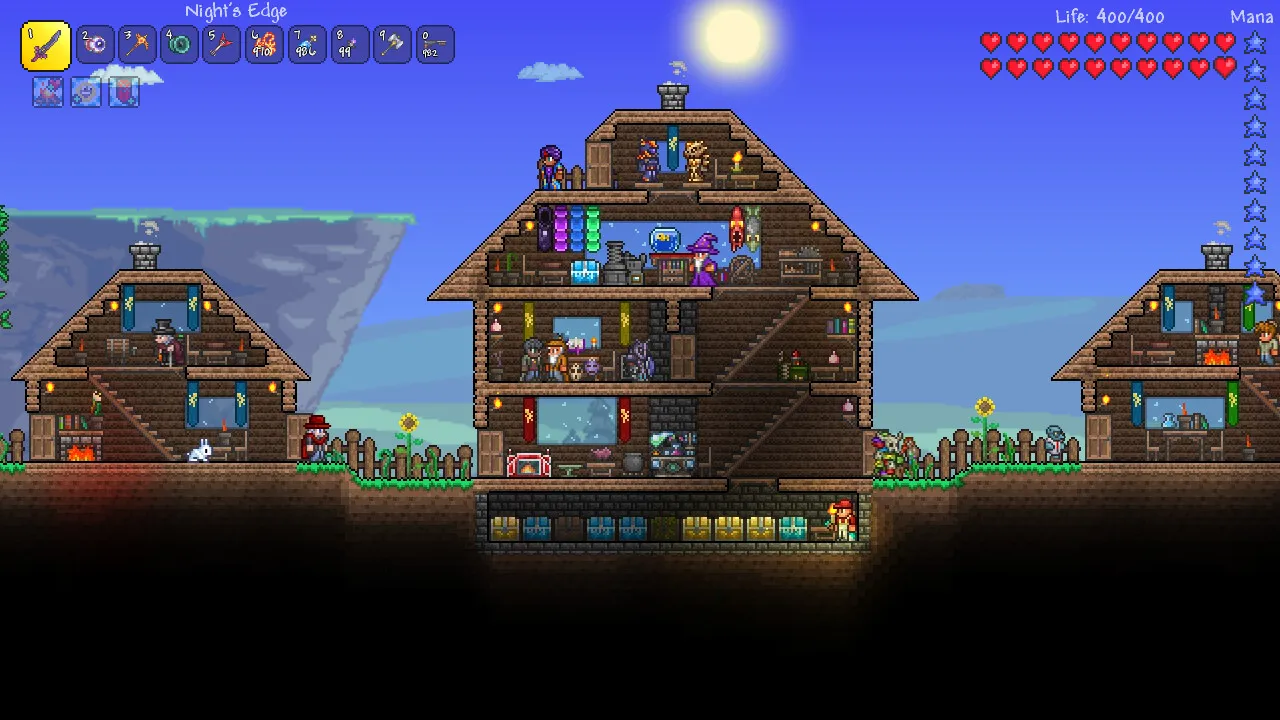
In Pre-Hardmode, Terraria trains players to feel in control. Enemies are limited, biomes are predictable, and progression appears linear.
The world feels stable. Once an area is cleared, it remains manageable. This stability encourages experimentation, building, and casual exploration without constant fear.
This phase subtly conditions players to believe the world exists for them, not against them.
2. World-State Triggers as Irreversible Decisions
Activating Hardmode is a single moment with permanent consequences. Once the Wall of Flesh is defeated, the world changes forever.
Unlike many games, Terraria does not allow players to preview or revert this transformation. The decision is irreversible.
Commitment through consequence
This design forces players to mentally prepare before progressing, elevating the emotional weight of advancement.
3. Biome Infection and Territorial Loss
The spread of Corruption, Crimson, and Hallow introduces a territorial conflict the player did not initiate.
Areas once considered safe become hostile. NPC housing is invalidated. Carefully designed landscapes lose function.
This creates a sense of loss rarely seen in sandbox games, turning progression into a destructive force.
4. Difficulty Spikes as Behavioral Filters
Hardmode enemies are not just stronger; they punish habits formed in Pre-Hardmode.
Players who relied on brute force or poor positioning suddenly struggle. Movement, preparation, and awareness become mandatory.
Skill exposure
Hardmode exposes weaknesses that the early game quietly tolerated.
5. Gear Progression Becomes Survival, Not Power
In Pre-Hardmode, new gear feels like empowerment. In Hardmode, it feels like survival equipment.
Players chase ores not to dominate enemies, but to regain parity. Progress becomes defensive rather than expressive.
This shift reframes crafting from creativity to necessity.
6. Exploration Turns from Discovery to Risk Management
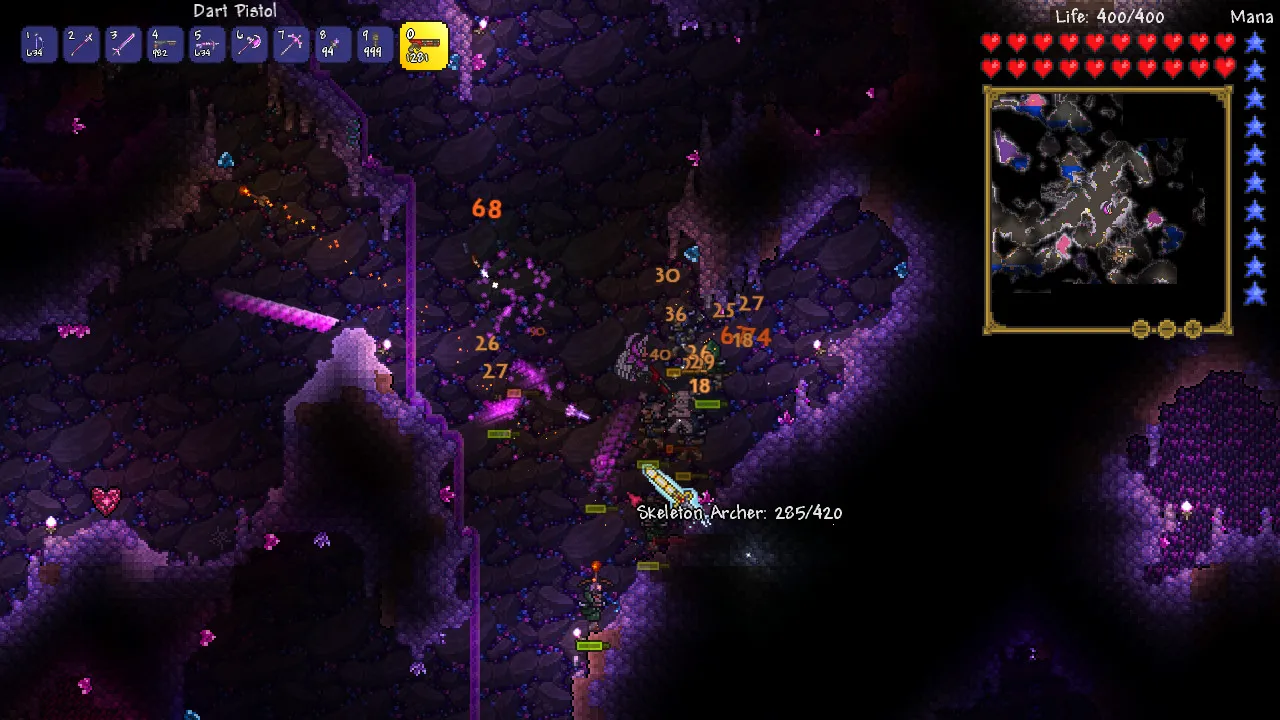
Early exploration is curiosity-driven. After Hardmode, exploration becomes calculated and cautious.
Every new area may contain enemies capable of overwhelming unprepared players. Death becomes costly in time and momentum.
Mapping through fear
Players explore less freely, but more intentionally, reshaping their relationship with the world.
7. NPC Dependency and World Stability
NPC survival becomes increasingly important after Hardmode begins.
Their availability affects crafting, reforging, and progression pacing. Infected biomes threaten economic stability.
This turns base defense and biome control into strategic priorities rather than cosmetic concerns.
8. Player Identity Through Adaptation
Terraria’s progression does not tell players who to become; it forces them to decide.
Some embrace combat mastery. Others lean into engineering, farming, or biome control.
Emergent specialization
The world-state shift pushes players toward identities shaped by how they respond to instability.
9. Long-Term Worlds as Living Histories
Terraria worlds remember progression. Scars from biome spread, tunnel networks, and defensive structures remain visible.
Late-game worlds feel layered, bearing evidence of survival decisions made hundreds of hours earlier.
This permanence strengthens emotional investment and narrative ownership.
10. Why Terraria’s Progression Feels Personal
Terraria does not scale difficulty invisibly. It transforms the environment in visible, sometimes hostile ways.
Players feel responsible for the chaos that follows progression, creating a sense of earned hardship.
Progression as accountability
Advancement is not rewarded without cost, reinforcing meaning through consequence.
Conclusion
Terraria’s world-state progression system redefines what freedom means in a sandbox game. By permanently altering the world through Hardmode activation, the game transforms growth into responsibility, power into adaptation, and exploration into risk management. The result is a survival experience that feels deeply personal, shaped by irreversible choices and long-term consequences. Terraria does not merely challenge players mechanically—it challenges how they relate to their world, making every step forward a deliberate act rather than a casual upgrade.