



Dress to Impress may seem like a fashion game based solely on clothing choices, but the real challenge lies in theme interpretation. Every round presents a prompt—sometimes clear, sometimes ambiguous—and players must translate that theme into an outfit that judges instantly understand. Many players fail not because they lack style, but because they misunderstand the true meaning of the theme. In this blog, you will learn how to master theme reading, create intentional outfits, and build a competitive mindset that consistently earns top votes.
This guide is crafted to help you go beyond basic matching. You’ll learn psychological tricks, color theory strategies, and category-specific interpretation techniques that give you an advantage against players who rely only on luck or trends.
Understanding the Core Concept Behind Each Theme
Every theme in Dress to Impress has an underlying “core idea.” Your job is to identify that idea and translate it into clothing choices that visually communicate the message in seconds.
For example, the theme “Royalty” is not just about wearing a crown. It’s about elegance, luxury, and silhouette. Meanwhile, a theme like “Midnight Chaos” hints at darker palettes, asymmetry, and dramatic contrast. Winning players dissect themes instead of rushing into the wardrobe.
Most themes also rely on common expectations. Judges and voters tend to reward outfits that visually “match the vibe” at first glance. You can use this to your advantage by understanding what people naturally associate with certain moods or styles.
Look Beyond the Literal Meaning
Themes like “Ice Queen” don’t always require blue; silver, white, and pastel tones can also convey the feeling. Avoid limiting yourself to the most obvious choices.
Identify the Theme’s Emotion
Ask yourself: Is this theme elegant? Playful? Dark? Energetic? Dramatic? Emotion determines styling far more than specific items.
Breaking Down Ambiguous Themes
Some themes are intentionally vague. Players who panic often overdress or underdress, creating looks that feel mismatched. The trick is to break the theme down into smaller interpretive layers.
Start by identifying the category the theme belongs to. Is it:
• aesthetic (e.g., cottagecore, futuristic)
• mood-based (e.g., fierce, soft, mysterious)
• situational (e.g., beach day, prom night)
• character-based (e.g., magical girl, villain)
• seasonal (e.g., winter wonderland, autumn vibes)
The moment you determine the category, your outfit direction becomes clearer. This prevents confusion and makes styling faster and more consistent.
Create a Quick Interpretation List
For the theme “Rebel,” you might list: leather, dark colors, ripped clothing, bold expressions.
Avoid Overthinking
Use 2–3 strong elements instead of stuffing every possible idea into one outfit.
Mastering Color Theory for Higher Votes
Color combinations heavily influence votes. Even a perfectly themed outfit loses points if its color palette clashes or lacks cohesion.
Understanding how colors communicate emotion gives you an edge. Bright colors signal energy and fun, pastels represent softness, and dark tones establish mystery or elegance. Complementary colors help your outfit stand out while still feeling harmonious.
Matching the Palette to the Theme
If the theme is “Enchanted Forest,” consider greens, browns, golds, or muted naturals. Color consistency matters more than item rarity.
Avoid Rainbow Overload
Unless the theme specifically calls for chaos or vibrancy, stick to one palette direction.
Using Silhouette to Express the Theme
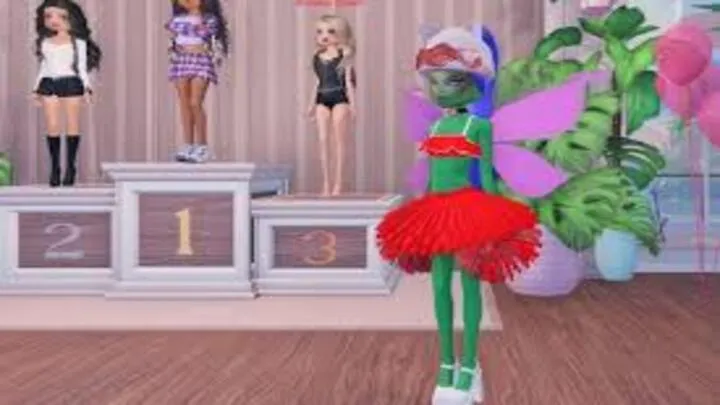
The silhouette—your outfit’s overall shape—often decides how voters perceive your look before noticing details. A structured silhouette signals elegance or dominance, while a flowing silhouette suggests grace or fantasy.
Understanding silhouettes allows you to match themes without relying on trendy pieces.
Common Silhouette Styles
• Structured: suits, sharp dresses, high fashion
• Flowing: gowns, capes, airy fabrics
• Casual: relaxed fits, streetwear
• Dramatic: oversized shapes, angular patterns
Align Shape With the Theme
If the theme is “Goddess,” a long flowing silhouette works better than a short structured outfit.
Using Accessories to Communicate Story
Accessories turn a decent outfit into a winning one. They give context, depth, and character. However, over-accessorizing can confuse judges.
The best players use accessories to spark imagination. For example, a “Space Ranger” look doesn’t need 10 gadgets. A visor, metallic boots, and a futuristic belt already tell the story.
Purposeful Accessorizing
Choose accessories with meaning, not just aesthetics.
Avoid Clutter
Too many items make your theme unclear—simplicity is often more impactful.
Reading Voting Patterns and Player Psychology
Dress to Impress is partly a fashion game and partly a popularity and psychology game. Voters often reward looks that:
• match the theme clearly
• use clean color palettes
• stand out without being chaotic
• evoke strong emotional cues
• feel high-effort but not overwhelming
Understanding how people vote helps you anticipate what the round may reward. If the lobby seems playful, exaggerated outfits may work. If the lobby prefers elegance, clean and classy designs win.
Adapt to the Lobby
Watch what wins early rounds. This reveals the crowd’s preferences.
Avoid Trend Chasing Last-Minute
Stick to your interpretation instead of copying others. Confidence reads better visually.
Developing Speed Without Losing Quality
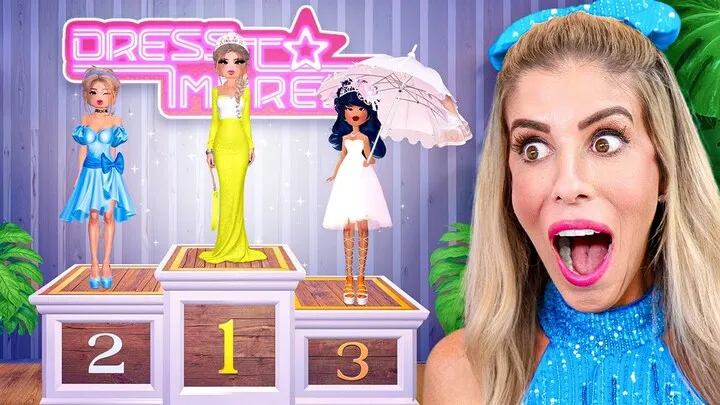
Time limits are part of the challenge. You must think fast, yet stay intentional. Speed comes from pattern recognition—knowing exactly what categories and items fit certain moods.
Build a mental library of your wardrobe. Memorize versatile pieces like:
• neutral heels
• elegant gowns
• edgy jackets
• fantasy wings
• minimal bracelets
• statement hair accessories
The more familiar you are with your wardrobe, the faster you can assemble high-quality looks.
Pre-Learn Your Best Items
Know which gowns, hairstyles, and accessories consistently win.
Create Styling Templates
For example, recognize:
“Theme: Fairy → wings + flowy dress + soft makeup + pastel palette.”
Understanding Makeup and Hair as Expression Tools
Hair and makeup complete the theme. Choosing the wrong face can break your entire look—even if the outfit is perfect.
For fierce themes, sharp eyes and bold makeup work. For soft themes, gentle pastel tones or natural looks win more votes. Hairstyles must match the vibe: neat for formal themes, messy for rebellious ones, ethereal for fantasy.
Use Makeup to Strengthen Emotion
Match expressions to the theme’s mood. A smile can ruin a dark theme.
Choose Hair for Shape and Vibe
Long softness for fairytale looks, structured bobs for futuristic looks.
Storytelling Through Pose and Movement
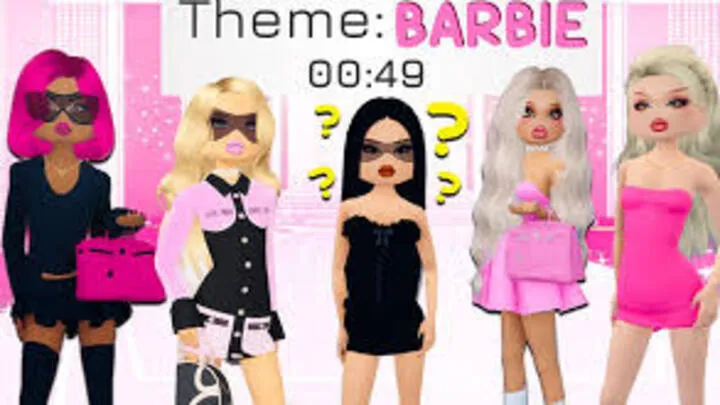
Your final pose impacts judges’ instant impression. A powerful pose communicates strength. A soft or open pose communicates innocence. A dramatic pose enhances fantasy themes.
Players often underestimate pose selection, yet it changes the entire tone of your outfit.
Match Pose Energy to Theme
“Warrior Princess” needs a confident stance, not a playful one.
Don’t Use Overly Dramatic Poses for Simple Themes
If the theme is “Coffee Shop,” subtlety wins.
Endgame Confidence: Presenting Your Outfit
The final presentation moment is when voters connect emotionally to your look. Confidence matters—even in a virtual environment. Move with intention, align your outfit to the stage vibe, and ensure your theme interpretation is unmistakable at first glance.
Avoid Last-Second Tweaks
Rushing creates mismatches or forgotten accessories.
Trust Your First Interpretation
In most cases, your first instinct is the clearest version of the theme.
Conclusion
Winning in Dress to Impress is about far more than picking cute clothes. It requires understanding theme psychology, mastering silhouettes, balancing colors, choosing meaningful accessories, reading the room, and expressing emotion through every detail. When you learn to interpret themes intentionally and communicate them visually, your outfits gain clarity, creativity, and impact—leading to far more wins. Beyond the fashion, the game becomes an art of storytelling and quick decision-making.